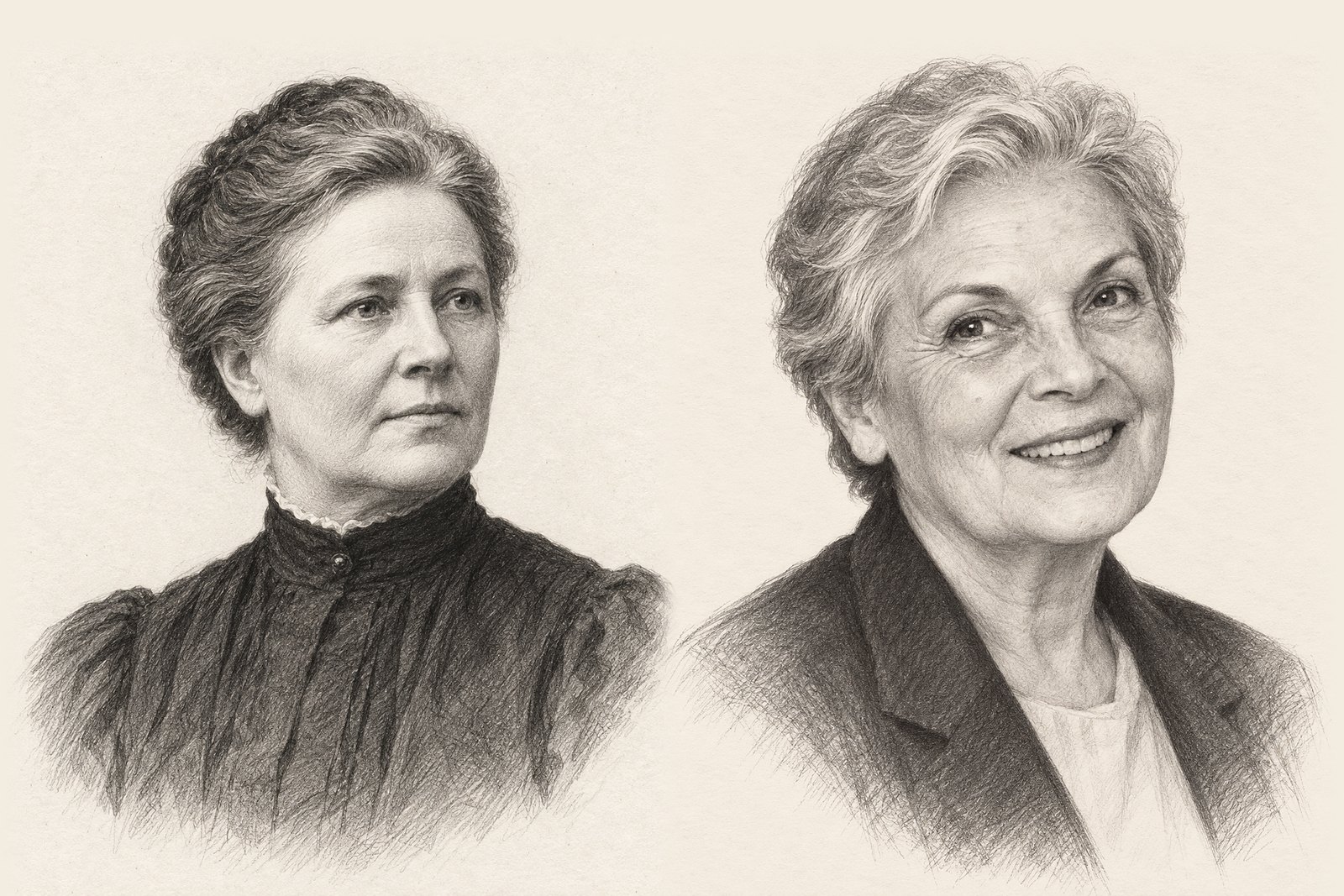
Iceland’s women will walk out again on 24 October. To mark the day, we have placed two women side by side: Bríet Bjarnhéðinsdóttir, the pioneer of women’s rights in Iceland, and Türkan Saylan, who devoted her life to girls’ education in Türkiye. Both can be summed up in one sentence: they worked all their lives so that women could learn, think and have a say.
Türkan Saylan: from a steel corset to a leprosy hospital
Türkan Saylan was born in Istanbul on 13 December 1935 to a Turkish father and a Swiss mother, a year after Turkish women won the right to vote and stand in national elections. As a medical student she developed spinal tuberculosis, spent a year lying face down in bed, and in 1963 graduated still wearing the steel corset she had worn for two years. She became one of Türkiye’s first women dermatologists.

In 1976 she turned to leprosy, at a time when patients were pushed away from their families and villages. She founded the Turkish Leprosy Relief Association and from 1981 to 2002 served as voluntary chief physician of the Istanbul Leprosy Hospital. In 1986 she received the International Gandhi Award.
In 1989 she co-founded the Association for the Support of Contemporary Living (ÇYDD) with the psychiatrist Aysel Ekşi. By 2007 it had helped about 25,000 girls continue to secondary school and given scholarships to about 20,000 university students. In an open letter to young women, Saylan urged them to stop asking why they were born girls and to aim to become the best they could be.
She lived with breast cancer for about 19 years and never stopped working. In April 2009, while she was being treated for advanced cancer, ÇYDD and her home were searched as part of the Ergenekon investigation; she was not detained. On 16 April she told reporters outside the hospital where she was having chemotherapy: “I need to live a while longer. But all of this is for you. As we leave, we want to leave you a better world.” She died a month later, on 18 May 2009; tens of thousands attended her funeral.
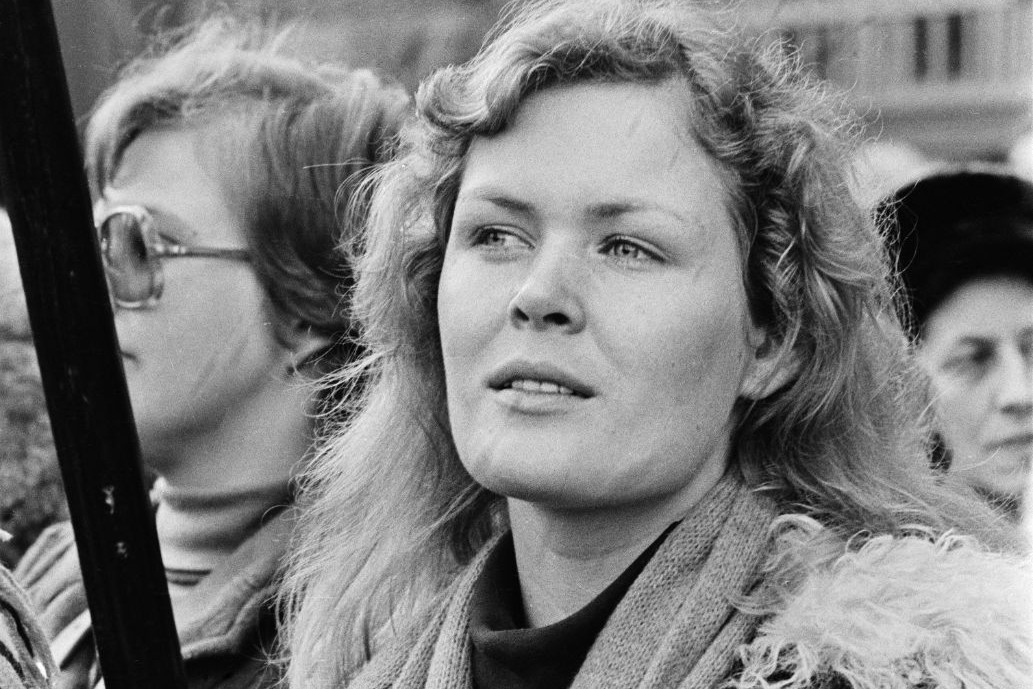
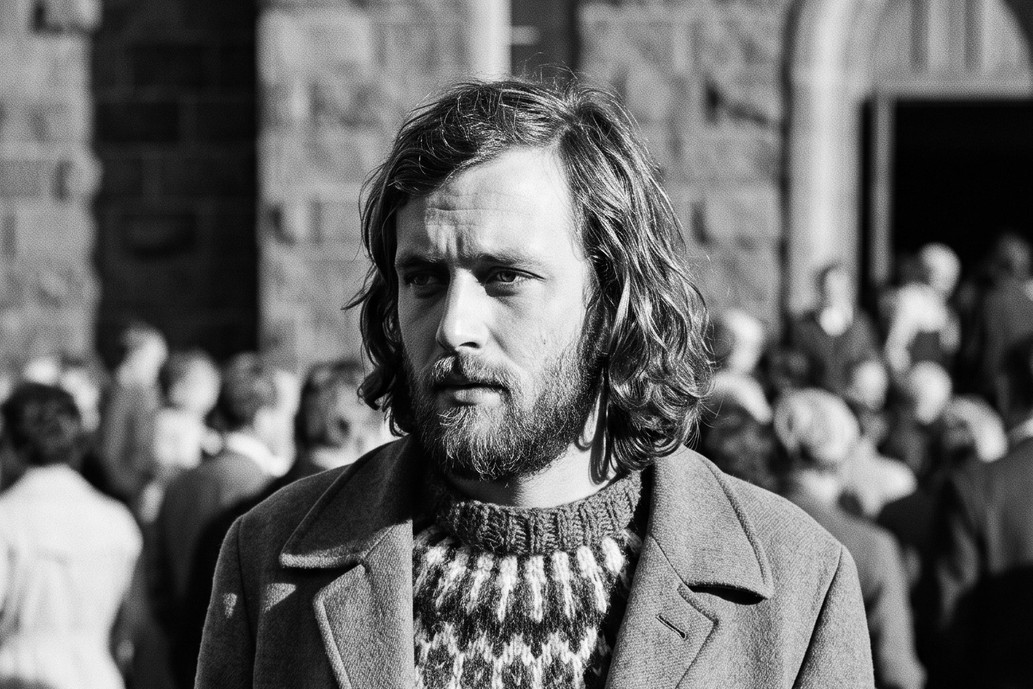
Türkan Saylan in photographs


Photos: archive
Bríet Bjarnhéðinsdóttir: from an anonymous article to the city council
Bríet Bjarnhéðinsdóttir was born on 27 September 1856 at Haukagil farm in Vatnsdalur, northern Iceland. In 1880 she graduated from a women’s school and became a teacher.
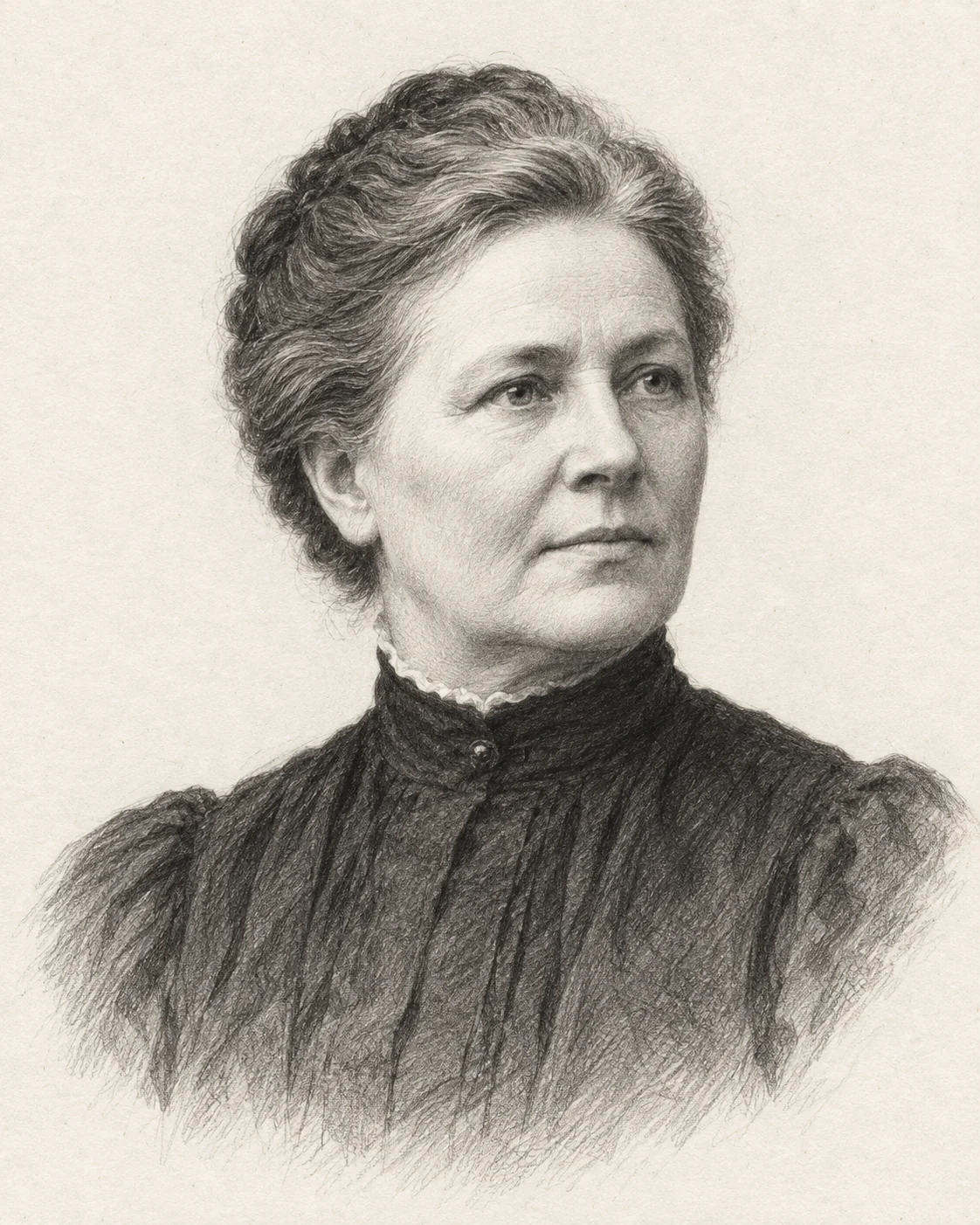
In 1885, aged 29, she published an article in the magazine Fjallkonan under the pseudonym “Æsa”: “A Few Words on the Education and Rights of Women”. It was the first article in Icelandic to address inequality between women and men, and probably the first newspaper article written by an Icelandic woman. In 1887 she gave a public lecture in Reykjavík on the position of women in society.
In 1888 she married the journalist Valdimar Ásmundsson; when he died in 1902 she was left alone with two children. In 1895 she founded Kvennablaðið (The Women’s Paper), which became the most important voice for women’s rights in Iceland, and wrote most of it herself for close to thirty years.
In 1906 she attended the International Woman Suffrage Congress in Copenhagen, where the American Carrie Chapman Catt encouraged her to found an Icelandic association. The next year, in 1907, she founded the Icelandic Women’s Rights Association (Kvenréttindafélag Íslands) and chaired it for many years. In 1908 she was among the first women elected to Reykjavík City Council.
On 19 June 1915 Icelandic women won the right to vote and stand for parliament, at first only those aged 40 and over; in 1920 their rights were made equal to men’s. Bríet stood for parliament in 1916 and 1926 but was not elected. She died in Reykjavík on 16 March 1940.
Two lives side by side
| Bríet Bjarnhéðinsdóttir | Türkan Saylan | |
|---|---|---|
| Born | 1856, Vatnsdalur (Iceland) | 1935, Istanbul |
| Profession | Teacher, journalist | Doctor, professor |
| Association founded | Icelandic Women’s Rights Association (1907) | Association for the Support of Contemporary Living (1989) |
| Her tool | The pen: her own paper, Kvennablaðið | Scholarships: support for tens of thousands of girls |
| Her hardship | Widowed, raised two children alone | Tuberculosis and 19 years of cancer |
| Shared cause | Women’s education and rights | Girls’ education and rights |
Bríet’s legacy: Iceland today
The path Bríet opened made Iceland a world leader in women’s rights. On 24 October 1975 about 90% of women stayed away from paid work, housework and childcare. In 1980 Vigdís Finnbogadóttir became the first woman in the world to be democratically elected president. Today Iceland’s president is Halla Tómasdóttir and its prime minister Kristrún Frostadóttir, and the country again tops the World Economic Forum’s Global Gender Gap Report in 2025.
Sources
- T-Vine — We remember: the extraordinary life and work of Türkan Saylan
- Wikipedia — Türkan Saylan
- International Leprosy Association — Professor Dr Türkan Saylan
- Timeturk — Türkan Saylan’ın basına açıklaması (16.04.2009)
- Hürriyet Daily News — Academic’s home raided as part of coup probe (14.04.2009)
- Hürriyet Daily News — Children’s advocate laid to rest (20.05.2009)
- Wikipedia — Bríet Bjarnhéðinsdóttir
- Nordic Women’s Literature — Bríet Bjarnhéðinsdóttir
- Reykjavík Grapevine — Bríet Bjarnhéðinsdóttir
- Reykjavíkurborg — Bríetar og réttindabaráttu kvenna minnst 19. júní
- Arctic Portal — Iceland marks 110 years since women gained the right to vote
- Wikipedia — 1975 Icelandic women’s strike
- World Economic Forum — Global Gender Gap Report 2025
- Wikipedia — Kristrún Frostadóttir
Spotted a mistake? info@izlandapedia.com · Instagram @izlandapedia