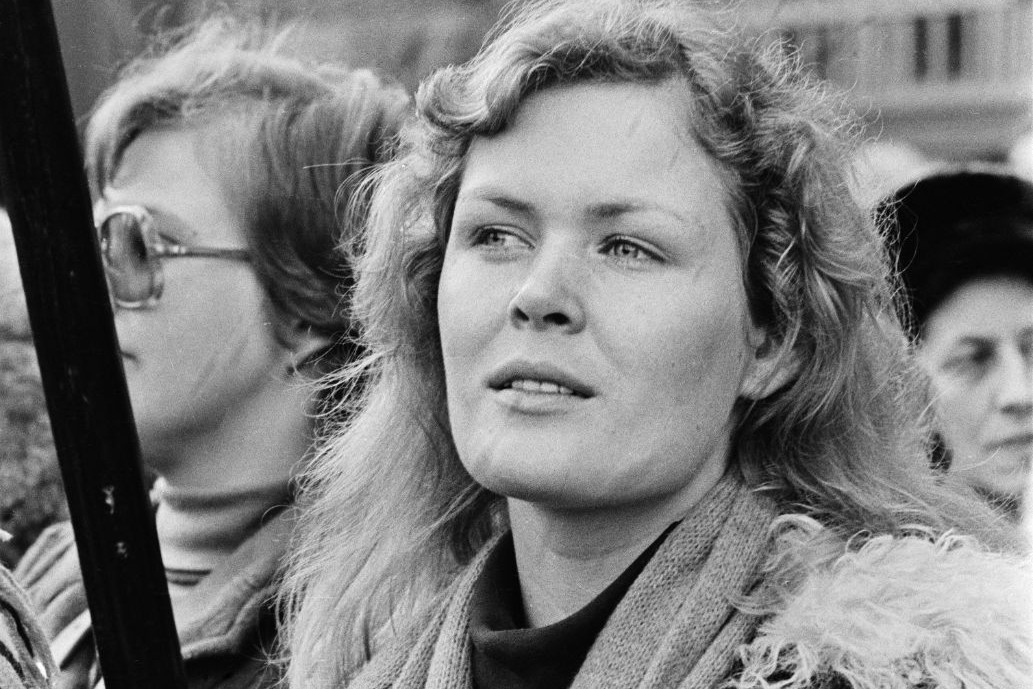
Say “Iceland” and most people think of women leaders at the top, a 17-year lead in gender equality, and tens of thousands of women filling the squares for their rights. Ranked first in the World Economic Forum's Global Gender Gap Report for 17 years in a row, this Nordic country is held up worldwide as a model of women's rights and social justice.
But what is on the other side of the coin? In a society shaped by some of the world's most powerful women, where do Icelandic men stand in this great transformation?
A new generation of fathers and the “use it or lose it” rule
Gender equality in Iceland has changed not only women's lives but also what it means to be a father. One of the biggest steps was the parental leave (fæðingarorlof) system introduced in 2000 and now cited around the world.
- The 2000 law: Total leave was extended to nine months. Mothers and fathers each got three non-transferable months, and families could divide the remaining three months as they wished. Parents received 80 per cent of their pay.
- Since 2021: Total leave is 12 months. Each parent has six months of their own, of which only six weeks can be transferred to the other parent, so each parent has 4.5 months that cannot be transferred.
- Use it or lose it: If a father does not use his share, it does not pass to the mother; it is simply lost. The law sets payment at 80 per cent of earnings, with a monthly ceiling of ISK 900,000.
The result is clear: over the past 20 years the vast majority of new fathers have taken leave, and in 2021 fathers took 131 days on average. The fathers pushing prams through Reykjavík, picking children up from nursery and taking them to the playground are a product of this system. For Icelandic men, childcare is no longer “women's work” but a shared and essential part of parenthood.
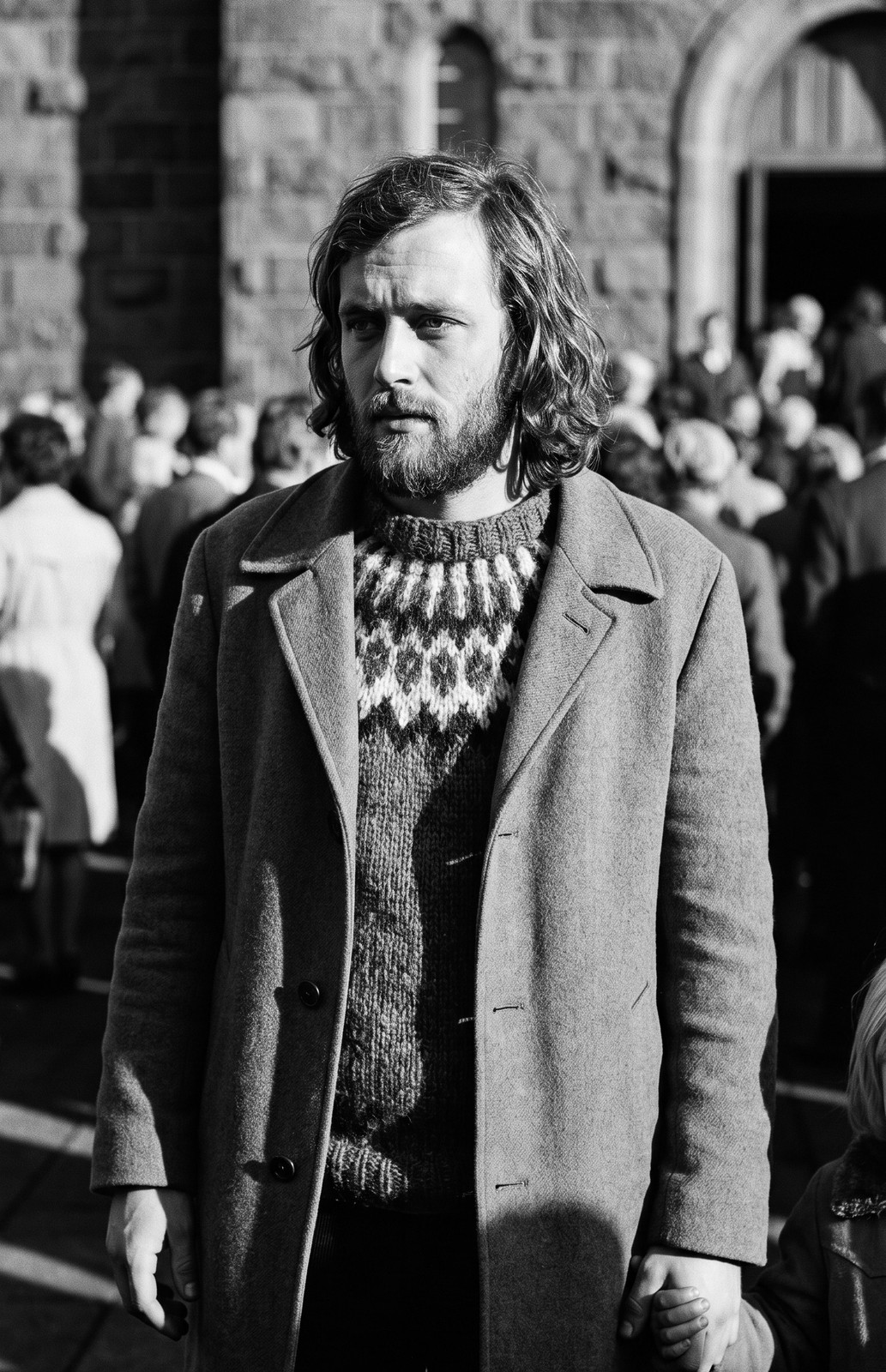
The system has a fragile side, too. When the payment ceiling was cut after the 2008 crisis, the number of fathers taking leave fell noticeably. According to researcher Ingólfur V. Gíslason, fathers “reacted immediately” to the lower ceiling. Keeping fathers at home depends on protecting their pay as much as on good intentions.
The question of male identity alongside strong women
Like every social transformation, this rapid change has cast some shadows. Women's fast rise in politics, business and academia has produced a generation that questions the traditional male role.
Education is the clearest sign of this debate. According to 2019 figures, 64 per cent of students in higher education in Iceland were women, far above the European average of 54 per cent. At the University of Iceland women outnumber men roughly two to one, and three to one at master's level. Men also drop out of upper secondary school more often. Researchers point to one reason: jobs such as fishing that pay well without a degree draw young men into work early.
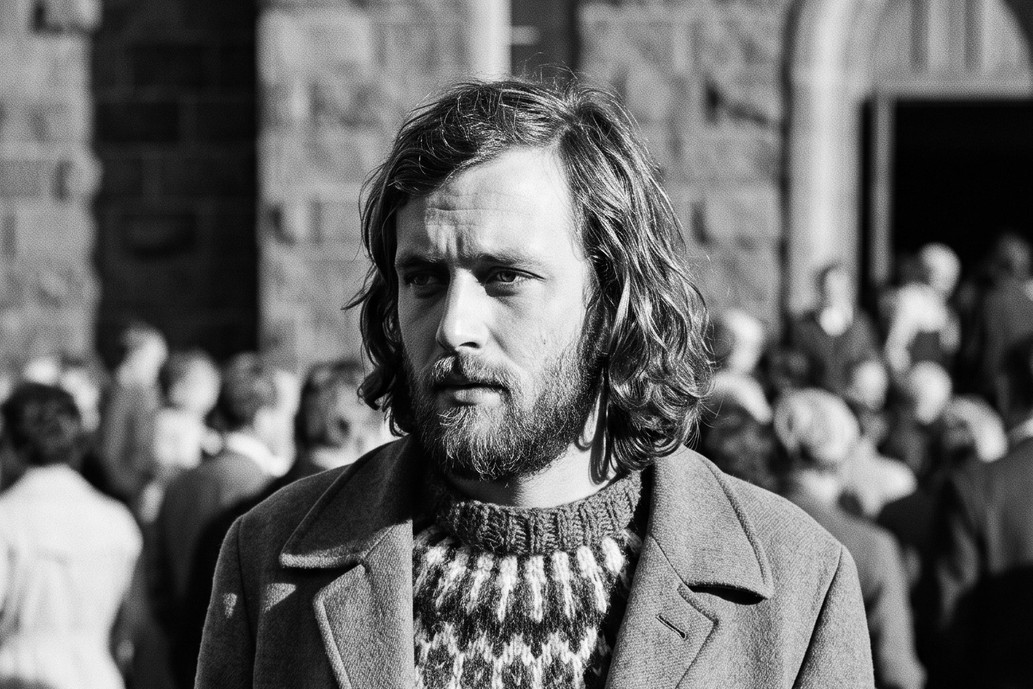
As the role of the man as the family's “breadwinner” has been shaken, some men struggle to find a new place in modern society. Alongside strong, independent women who stand up for their rights, traditional ideas of masculinity are melting away, and for many men this becomes a quiet process of adjustment.
The unspoken background: loneliness and suicide
From the outside, Iceland looks like a flawless island of wealth and happiness, but some statistics reveal a side of society that is rarely discussed.
- Loneliness and isolation: Geographic isolation and long, dark winters affect everyone. Men who still hold back from expressing their feelings can be hit harder by this isolation.
- Suicide: According to the Directorate of Health (Embætti landlæknis), an average of 40 people a year died by suicide in Iceland between 2016 and 2025, and about three in four of them were men. In 2025 the number was 43. High pressure to succeed, an image of perfection and men's reluctance to ask for help are seen as the biggest hidden dangers.
Changing together
The situation of men in Iceland shows that gender equality is not a gain for women alone. It is also a chance to ease the heavy traditional burdens on men's shoulders: the pressure to always be strong and successful, and to keep feelings bottled up.
Being a man in the country of the world's most powerful women is a hard but transformative journey, in which old privileges are left behind and replaced by a healthier, more equal and more caring idea of what it means to be a person.
Sources
- World Economic Forum — Global Gender Gap Report 2026
- Alþingi — Lög um fæðingar- og foreldraorlof nr. 144/2020
- Nordic Council of Ministers, TemaNord 2025:547 — Parental leave in Iceland
- Eydal & Arnalds, nordics.info, 2024 — Nordic Parental Leave Policy: The Case of Iceland
- Nordic Labour Journal, 2014 — Iceland: fewer take paternity leave (Ingólfur V. Gíslason)
- Times Higher Education, 2019 — The missing men: Iceland struggles with campus deficit
- Embætti landlæknis — Tölfræði um sjálfsvíg 1999–2025 (dánarmeinaskrá, 23.9.2026)
- Embætti landlæknis — Tölur um sjálfsvíg árið 2025
Spotted a mistake? info@izlandapedia.com · Instagram @izlandapedia