
Short answer
The safe way to give your time to Iceland’s nature is through official volunteer programmes run by public bodies and non-profits. This guide compares three: ICV, Thórsmörk Trail Volunteers and SEEDS. Non-EEA citizens must obtain a residence permit before travelling. Working “for food and a bed” at a guesthouse, hotel or farm is not volunteering, and it is illegal.
For the 2027 application calendar, see our news story.
8 common myths
“Volunteer tourism is a new trend in Iceland.” It isn’t. The first international volunteer team worked in 1977 in Jökulsárgljúfur canyon, now part of Vatnajökull National Park: 15 people from the British charity BTCV. Volunteer trail work has been a permanent part of Icelandic conservation ever since.
“You apply to the Environment Agency of Iceland (Umhverfisstofnun).” Not any more. Since 1 January 2025, Umhverfisstofnun’s nature conservation division and Vatnajökull National Park have been part of the Nature Conservation Agency of Iceland (Náttúruverndarstofnun), which now runs ICV. Websites still using the old name are out of date.
“Working on a farm, at a guesthouse or in a hotel for food and a bed is volunteering too.” This is the most dangerous myth. In Iceland, volunteer work is only accepted for charitable, cultural and humanitarian activities. Unpaid work for a business that sells goods or services breaks labour law and collective agreements. Unions monitor these adverts and carry out inspections.
“I can come on a tourist visa and volunteer for a few weeks.” Not if you are from outside the EEA. Volunteers from outside the EEA and EFTA must obtain a residence permit from the Directorate of Immigration (Útlendingastofnun), however short their stay. Do not travel before the permit is granted.
“Volunteering makes an Icelandic holiday free.” It doesn’t. Flights, visa and residence permit fees are always yours to pay. ICV charges no registration fee, but SEEDS short camps do. In past camps that fee ranged from 200 to 400 euros, and transport from Reykjavík to the camp was often extra.
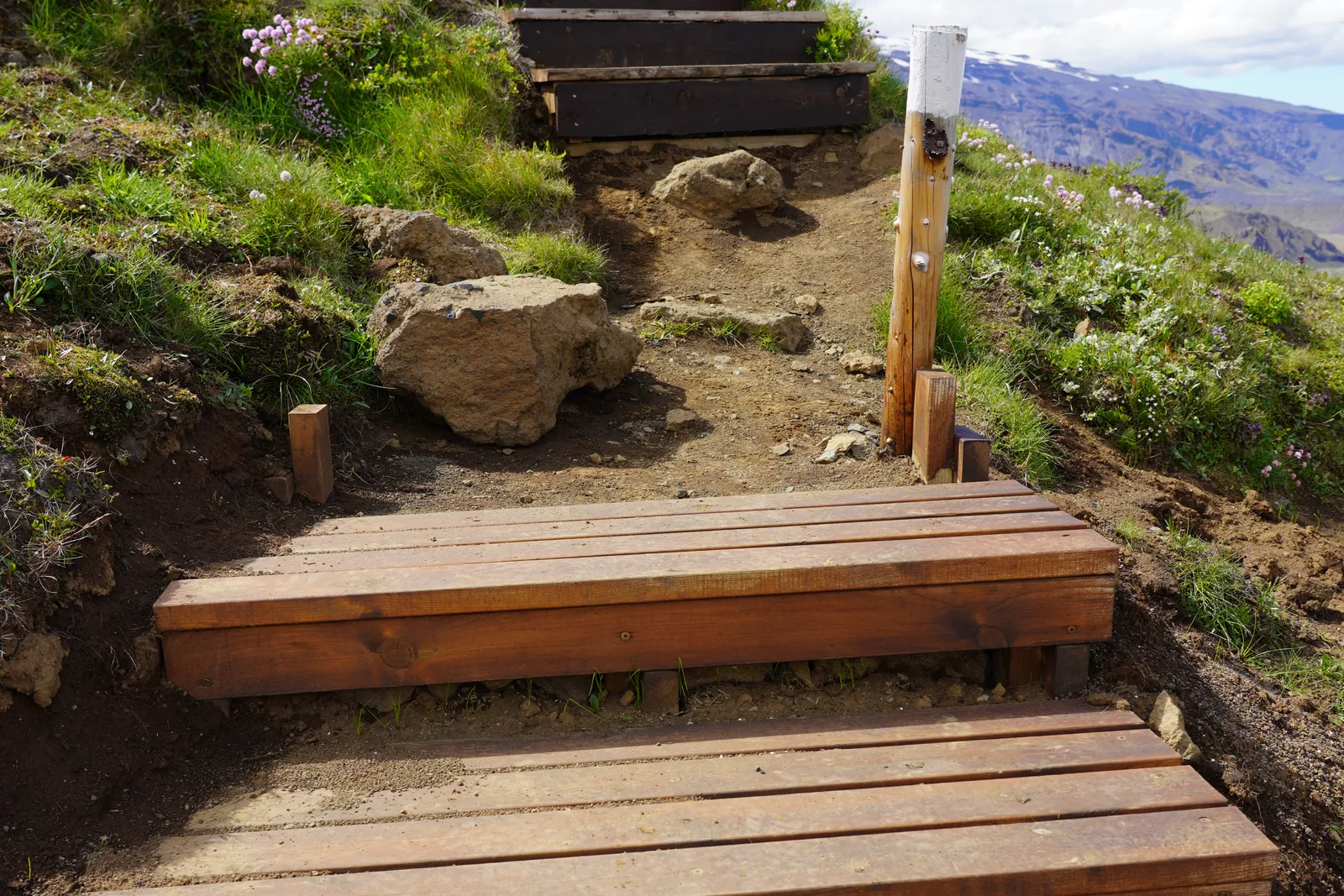
“Conservation volunteering is a light holiday activity.” It isn’t. ICV teams spend most of their time in camps near the work sites, sleeping in their own tents. The work means carrying stones, digging, and laying steps and drains. Steel-toe work boots, a sturdy tent and good waterproofs are essential.
“Volunteering offsets the carbon footprint of your flight.” It doesn’t. Repairing a trail does not take back the carbon your flight emitted. The real value of volunteering lies elsewhere: repairing worn trails, stopping erosion and protecting fragile vegetation.
“Iceland has always been treeless.” Wrong. When settlement began about 1,150 years ago, birch forest and woodland covered 25 to 40 percent of the country. Settlers cleared trees for fields and grazing, and sheep grazing stopped the woods from growing back. By the mid-20th century, woodland covered less than 1 percent.
Programmes you can apply to
The three programmes below are run by public bodies or non-profit organisations and focus directly on conservation work.
| Programme | Run by | Length | Cost | Requirements |
|---|---|---|---|---|
| ICV Trail Teams | Náttúruverndarstofnun (Nature Conservation Agency) | 10 weeks, summer (in 2026: 31 May–8 Aug and 14 Jun–22 Aug) | No registration fee; travel, visa and permit costs are yours | Aged 20+; physical fitness, camping and hiking experience |
| Thórsmörk Trail Volunteers | Land og skógur (Land and Forest Iceland) | 3–4 weeks, summer | No participation fee; food and campsites provided | Aged 20+; working language is English |
| SEEDS Iceland | SEEDS (Reykjavík-based non-profit) | Short camps (1–2 weeks) and long-term placements | Participation fee for short camps (200–400 € in the past) | Long-term places open to 18–30-year-olds from selected countries |
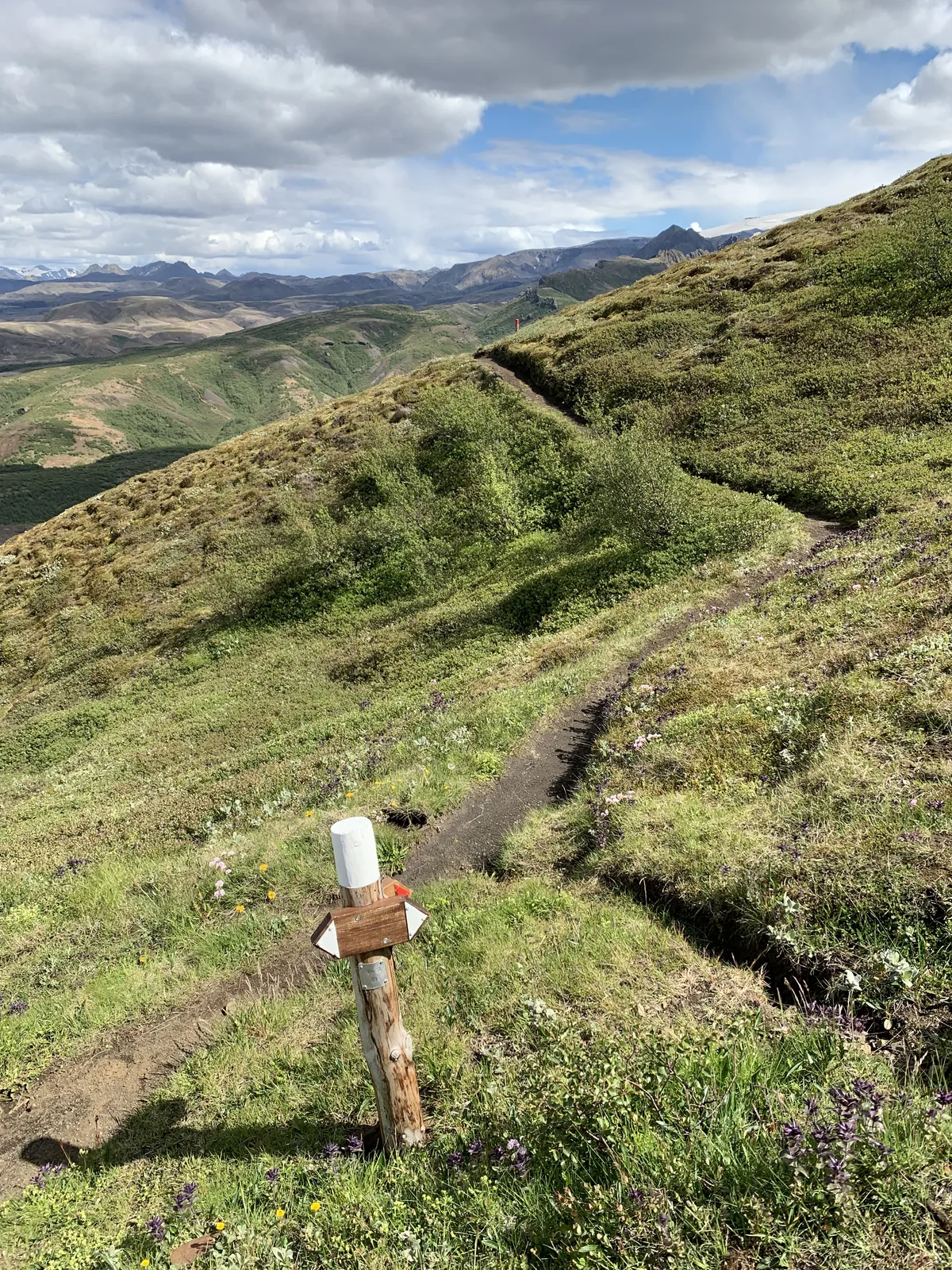
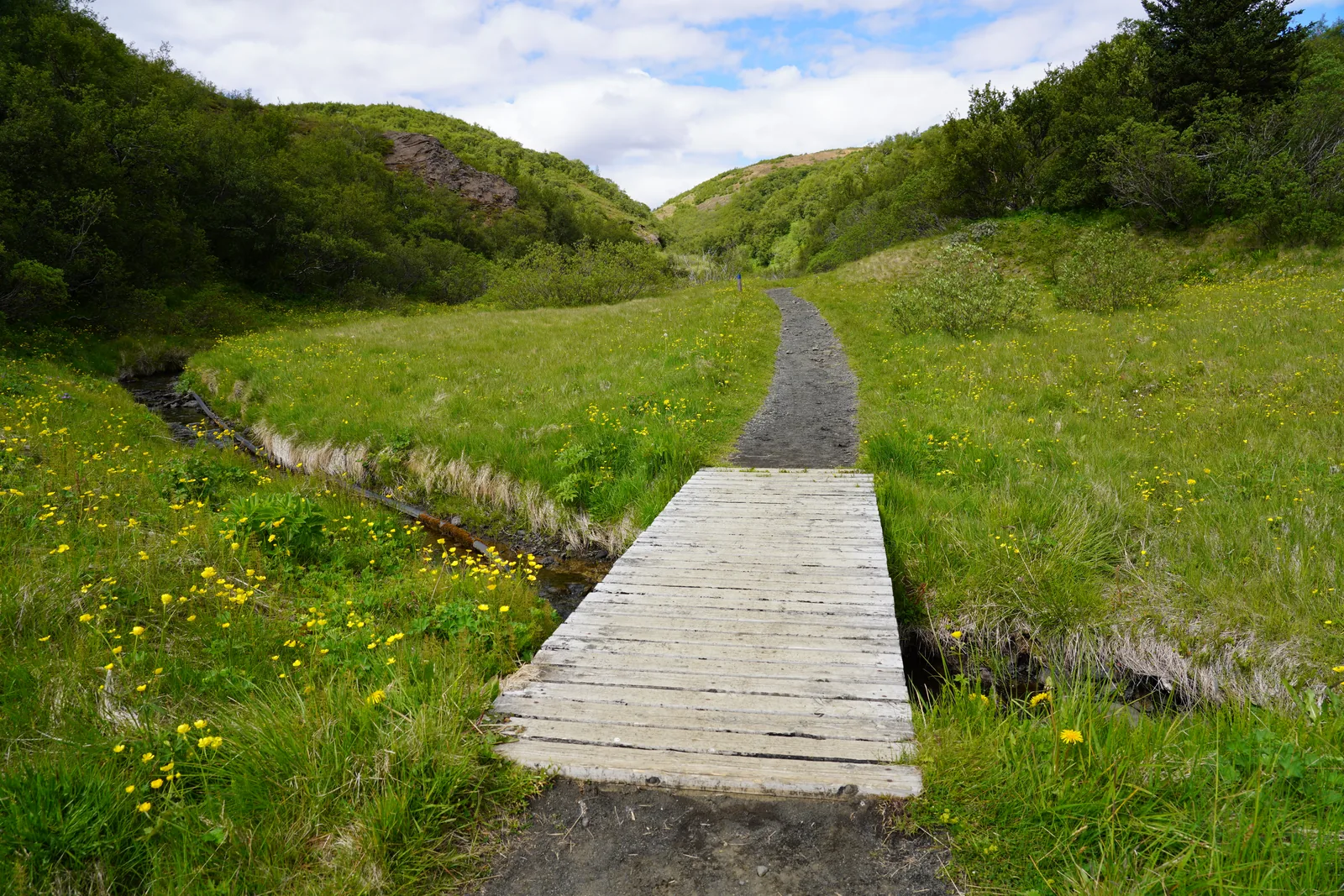
What is the work? ICV teams build and repair small bridges, boardwalks, drains and stone steps on remote trails. They also remove invasive plants, erase tracks left by illegal off-road driving and support local rangers. Þórsmörk teams combine trail work with erosion control and tree planting. SEEDS camps cover forestry, trail work and coastal clean-ups.
When to apply? ICV applications open each winter; for the 2025 season the deadline was 15 February. The Þórsmörk programme opened its 2026 applications on 15 December 2025 and closed them on 15 February 2026. Always check exact dates on the programme’s own page.
Permits for non-EEA citizens, step by step
- Acceptance
Get accepted by a programme first. The permit application is based on the organisation that accepts you.
- Ask
Find out which permit you need. ICV says it helps its volunteers with the documents.
- Apply
Apply to Útlendingastofnun for a residence permit. Volunteer permits are only granted for charitable and humanitarian work with non-profit, tax-exempt organisations.
- Travel
Do not travel before the permit is granted. If you need a visa to enter, you cannot stay in Iceland while your application is processed.
This strip shows the general process; it is not legal advice. Check Útlendingastofnun’s current requirements before applying.
The safest way to give your time to Iceland’s nature is through official programmes. Choose the right one, get your permit in time and prepare physically, and you can spend a summer in valleys most tourists never see.
Frequently asked questions
Do I need experience to volunteer?
No. ICV provides the training you need at the start of the programme, but it does ask for experience of camping, hiking and physical outdoor work.
How old do I have to be?
You must be at least 20 for the ICV and Þórsmörk programmes. SEEDS long-term places are open to people aged 18–30.
Do I have to pay a fee?
ICV charges no registration fee and the Þórsmörk programme no participation fee. SEEDS short camps do charge a participation fee. Flights, visa and permit costs are always yours.
Can I volunteer on a tourist visa?
No. Volunteers from outside the EEA and EFTA must obtain a residence permit from Útlendingastofnun, however short their stay.
Sources and photo licences
Sources checked on 17 October 2026. Dates and requirements can change each season; check the programme’s own page before applying.
- Nature Conservation Agency (Náttúruverndarstofnun) — volunteers
- Nature Conservation Agency — what volunteers do
- ICV Trail Team 2026 programme outline (dates, costs, requirements)
- ICV Trail Work Summer 2026 listing (minimum age 20)
- ICV — programme history (1977, BTCV)
- ICV — long-term placement and tasks (2025)
- Environment Agency — volunteer report 2024
- Thórsmörk Trail Volunteers — 2026 applications (15 December 2025)
- Land and Forest Iceland — Þórsmörk volunteer listing (age, fees)
- SEEDS Iceland — European Solidarity Corps listing
- SEEDS — sample camp and participation fee
- Government of Iceland — Náttúruverndarstofnun established 1 January 2025
- Ísland.is — residence permits for non-EEA volunteers
- Volunteer residence permit (Act on Foreigners 80/2016, Art. 67) — summary
- SGS — volunteering and labour law
- ASÍ / SGS — “Are you working illegally as a volunteer?” leaflet
- Land and Forest Iceland — history of forests in Iceland
- Photos: Ray Swi-hymn, CC BY-SA 2.0 (Valahnúkur); Ray Swi-hymn, CC BY-SA 2.0 (Langidalur).

