

A whale, a promised tail and people trying to understand one another… A line in an old glossary offers a glimpse of trade in the North Atlantic: “If Jesus and Mary give me a whale, I will give you its tail.” These notebooks preserve traces of contact between Basque sailors and Icelanders, recording everyday conversation as well as exchanges of goods. Viola Miglio’s study of the glossaries.
Why did Basque whalers come to Iceland?
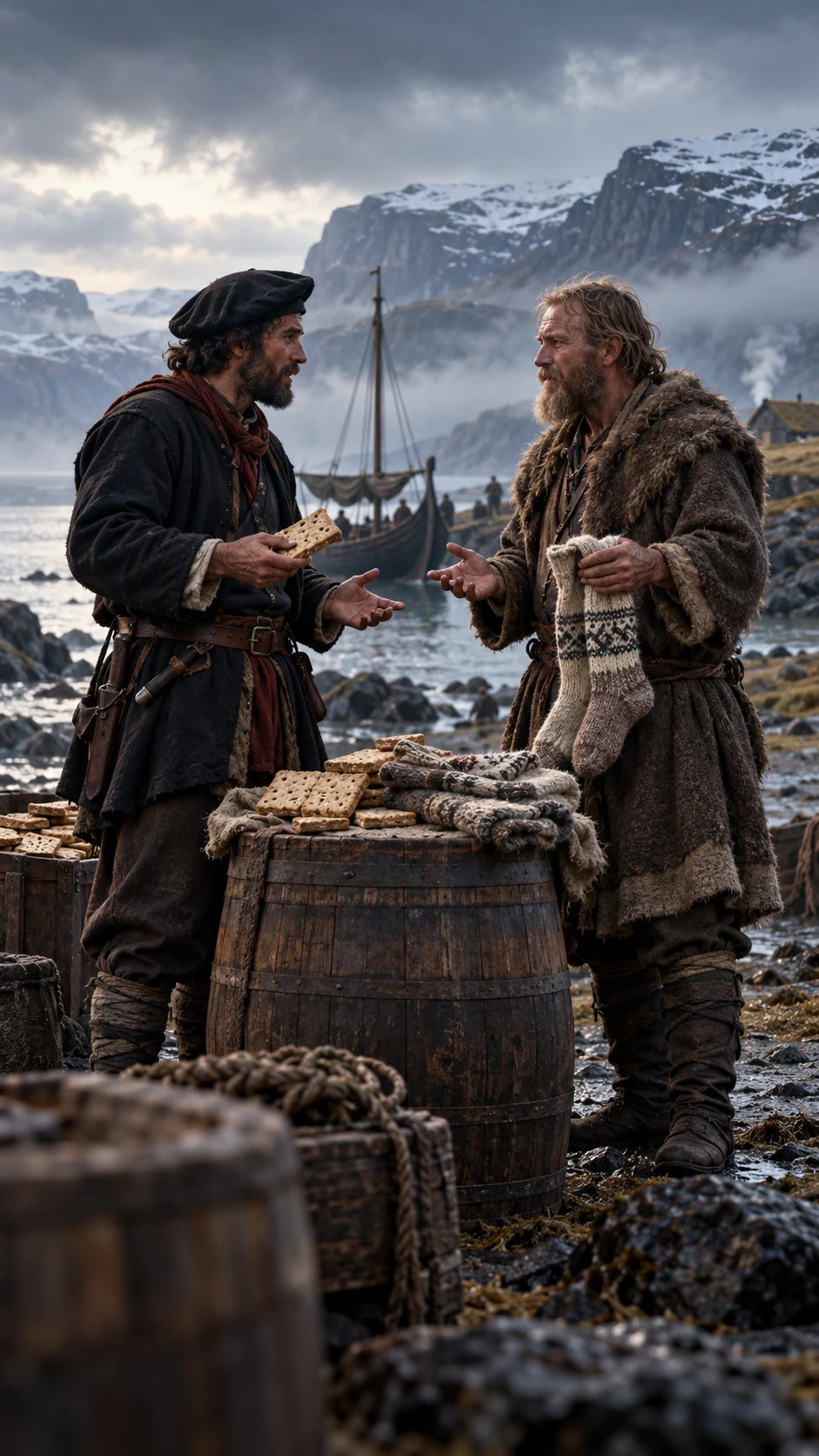
Basque whalers reached Iceland’s coast in the early 17th century in search of productive hunting grounds. According to historian Már Jónsson, some ships expelled from Svalbard in 1613 called at Iceland on their return voyage. Successful hunting encouraged them to come back. The sailors needed water, food and supplies, while local people were interested in the goods carried aboard. Trade brought mutual benefits, but also disagreements. University of Iceland study of trade and whaling, Már Jónsson.
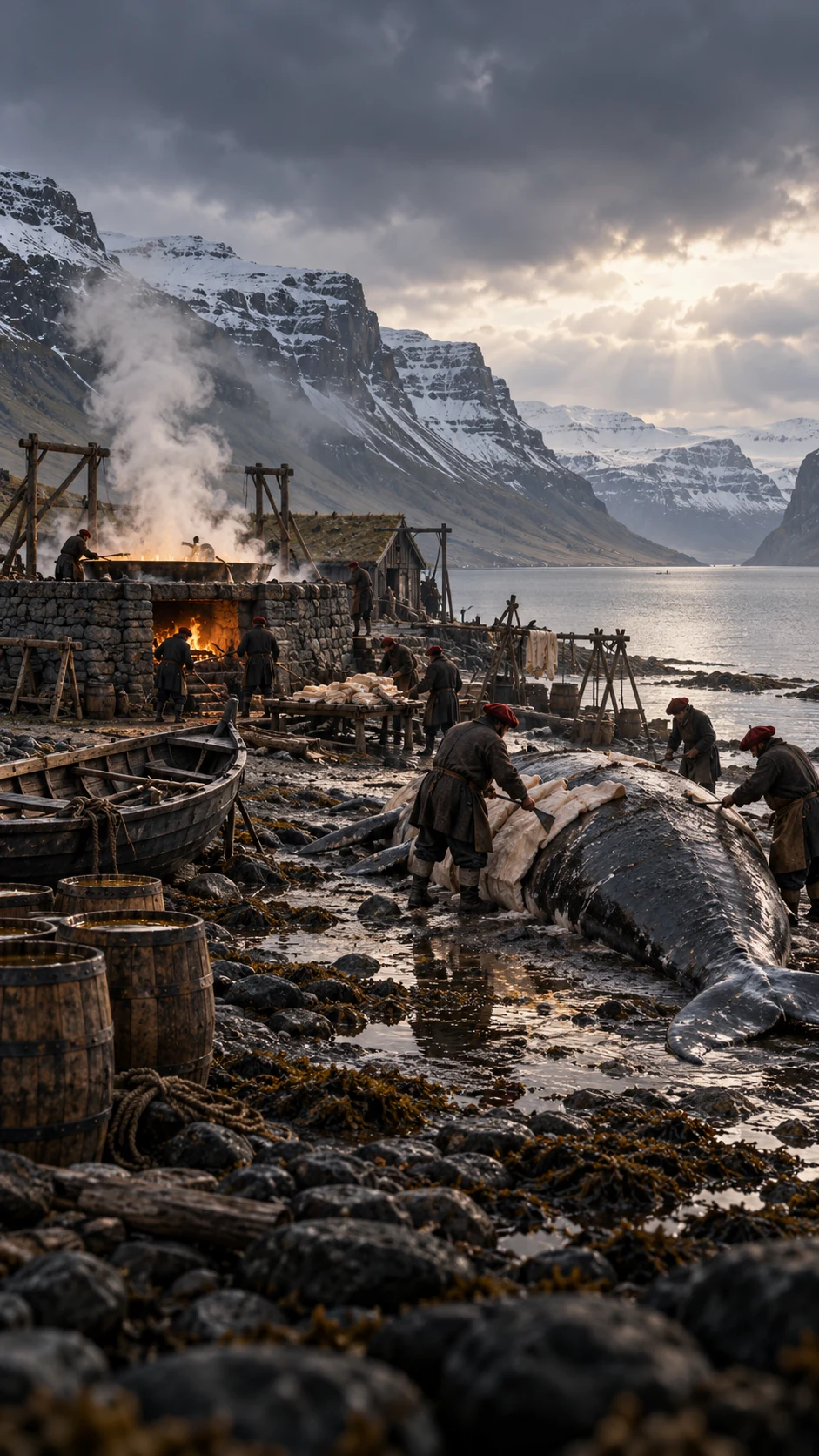
Physical traces of these encounters have been uncovered at Strákatangi in the Strandir region. Archaeologists identified a 17th-century whaling station with a blubber-rendering facility, living quarters, a cooper’s workshop and a storehouse. Research suggests that the station may have been associated with Basque and Dutch whalers at different times. Archaeological field report, Minjastofnun archaeological report.
From shipwreck to massacre
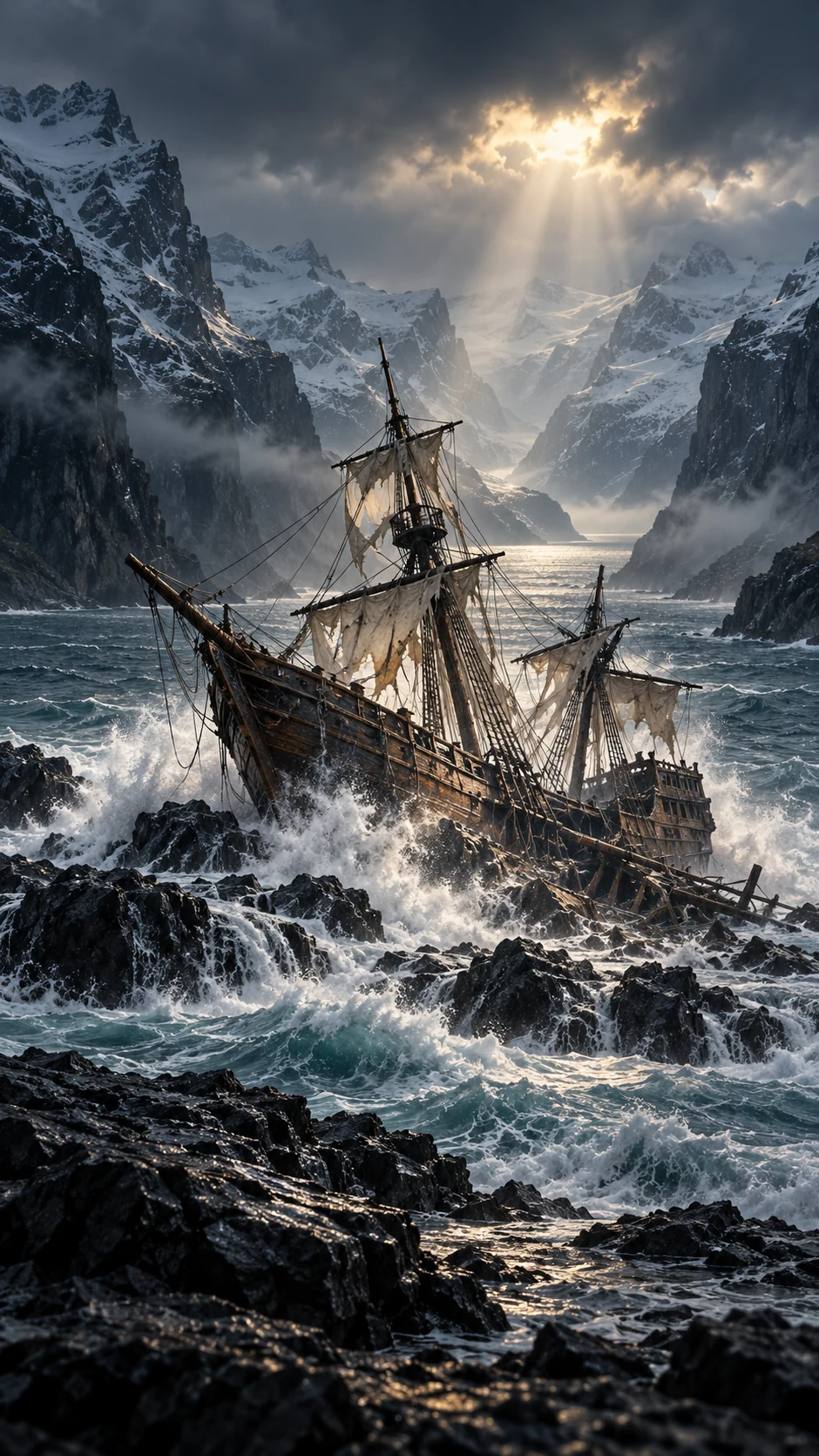
The turning point came on the night of 20–21 September 1615. A storm around Reykjarfjörður destroyed three Basque ships. Around 80 sailors survived, but they had lost their vessels and their way home as winter approached. The survivors split into separate groups.
How many Basque sailors were killed?
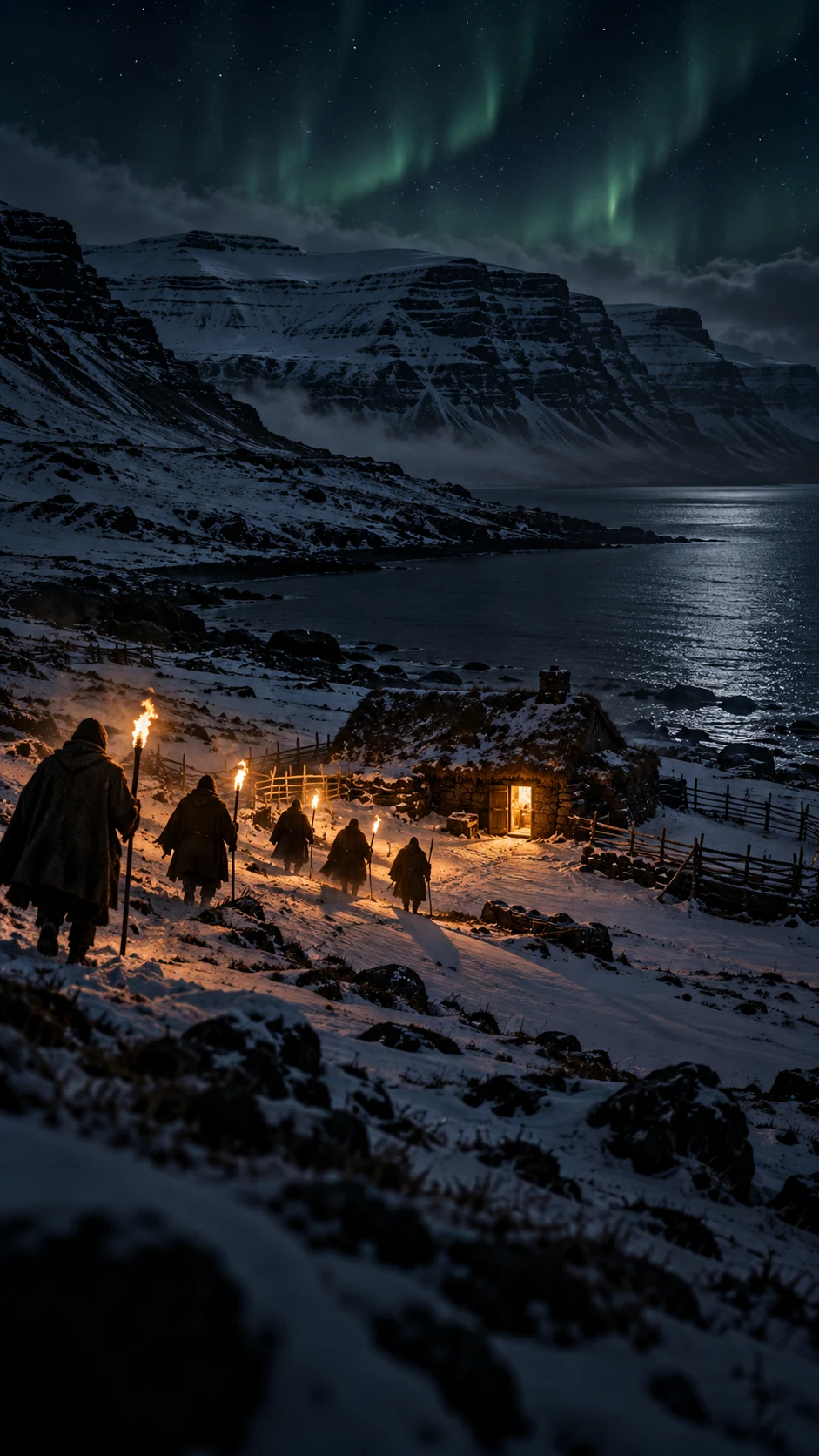
According to Már Jónsson’s chronology, local people from Dýrafjörður attacked a group of 14 men staying at the Fjallaskagi fishing station. Thirteen were killed and one escaped. On 8 October, an assembly convened by district sheriff Ari Magnússon at Súðavík declared the shipwrecked men outlaws. On 14 October, Ari’s men killed a further 18 people in attacks that began on Æðey and continued at Sandeyri. In this account, the death toll for October 1615 is 31.
The violence continued into the following year. After a further ruling secured by Ari on 26 January 1616, another of the remaining shipwreck survivors was killed. This brings the total across the two years to 32 in Jónsson’s account. Már Jónsson’s detailed account.
Historians studying the period discuss food shortages, fear of foreigners and local power struggles as part of the background to the violence. Research overview from the 2015 symposium.
How did Jón the Learned describe the massacre?
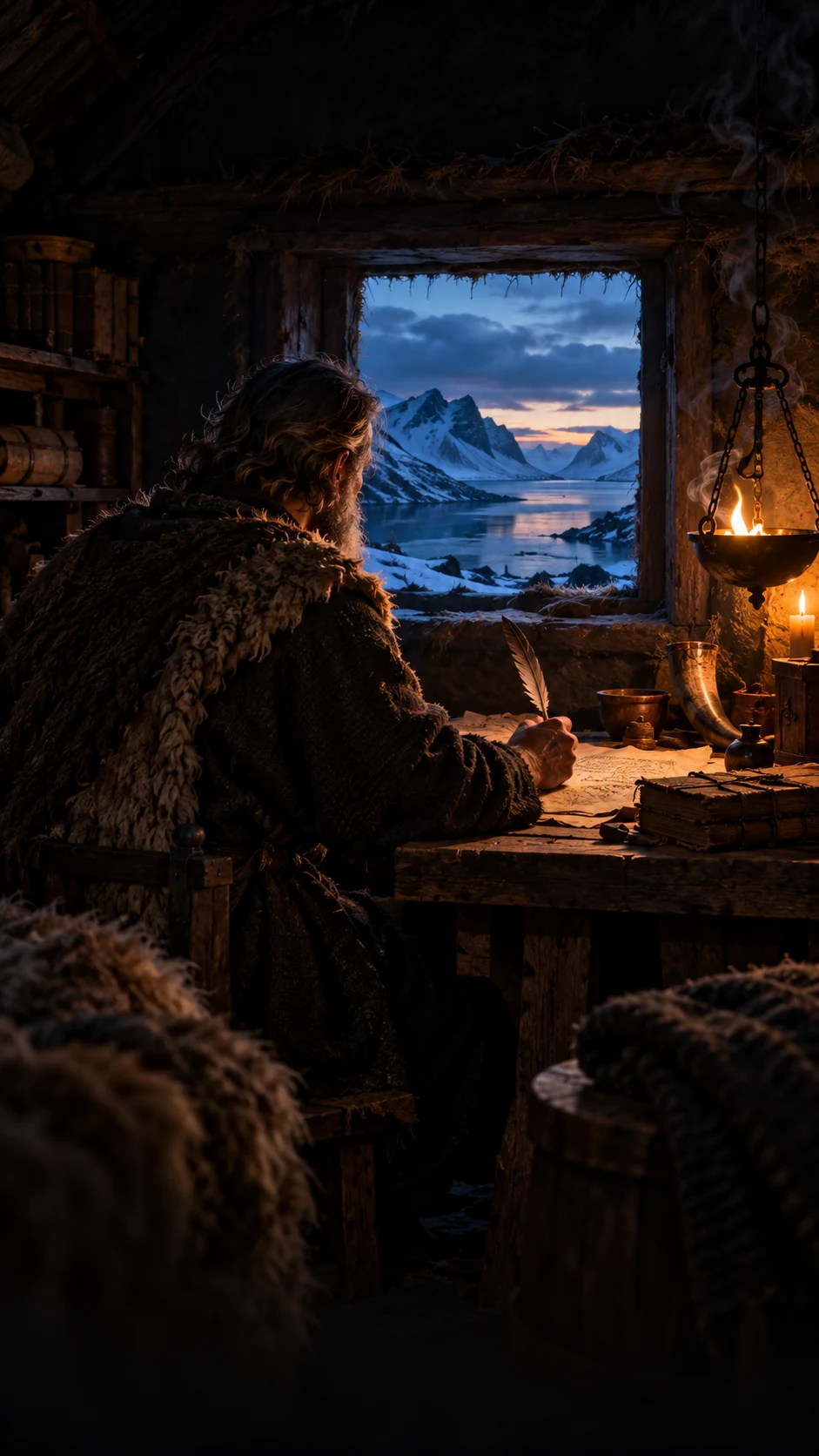
The killings are known in Icelandic as Spánverjavígin, meaning “the killing of the Spaniards”. One important voice in the record of this dark chapter belongs to the Icelander Jón Guðmundsson. Known as Jón the Learned, he refused to take part in the attacks on the Basques and fled to Snæfellsnes. His account, Sönn frásaga af spanskra manna skipbrotum og slagi, is an important contemporary source that takes the victims’ side. Einar G. Pétursson’s study of Jón.
What do the Basque–Icelandic glossaries tell us?
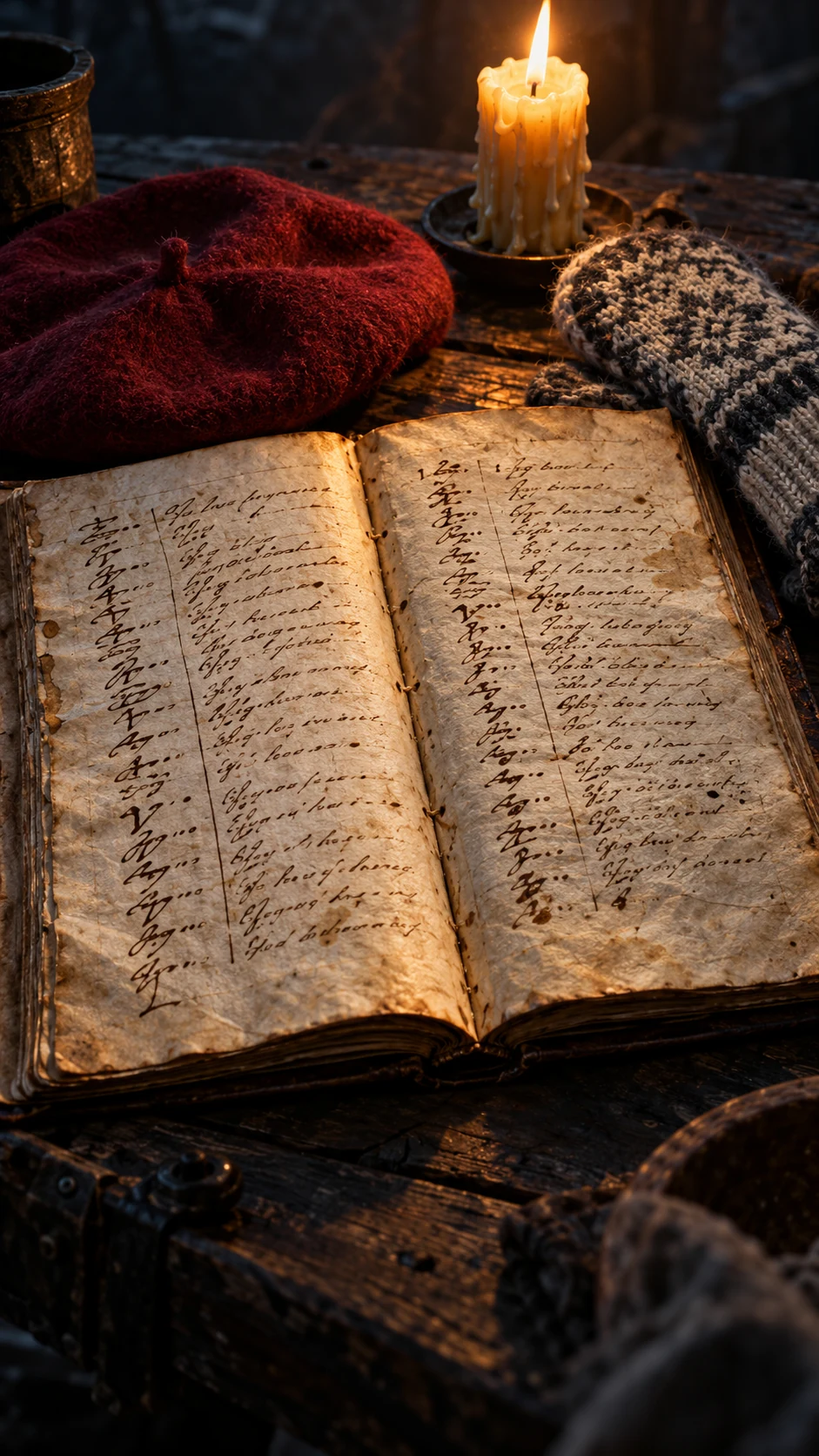
Other manuscripts reveal the sailors’ contact with local people through the words of everyday life. Four written witnesses are available to researchers today: two main glossaries, examples later copied from a lost glossary, and a separate fragment preserved at Harvard. Page images can be viewed on the Árni Magnússon Institute’s website. Árnastofnun digital collection.
The records give Icelandic equivalents for Basque words. Some phrases also reveal a Basque-based trading language incorporating elements from other languages, including English. Linguists call this kind of contact language, used by people with different first languages, a pidgin.
“Presenta for mi” was used to mean “Give me”, while “Ser travala for ju” meant “What are you doing?” These short phrases preserve the efforts of people learning language for everyday needs: trading, asking for something and understanding what someone else was doing. Hualde’s linguistic study.
The notebooks also contain swear words. Linguist Viola Miglio links their inclusion to a cultural curiosity extending beyond trade. People may have wanted to understand what others said when angry, as well as when bargaining. The two main glossaries were published by Nicolaas Deen in 1937. Miglio, Knörr’s study of the glossaries’ research history.
What happened at the 2015 commemoration in Hólmavík?
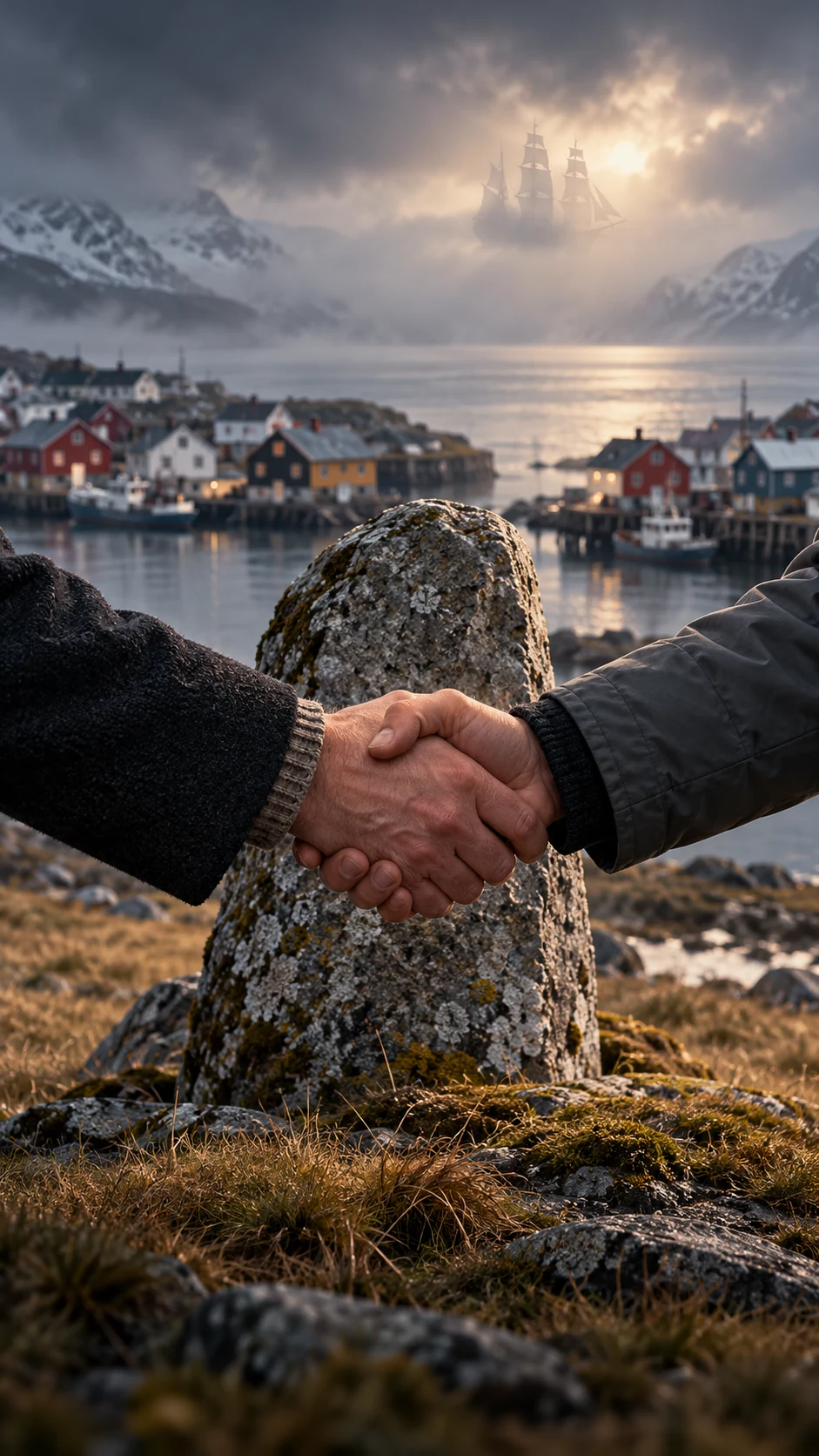
Four hundred years later, those killed in 1615 were commemorated at a ceremony in Hólmavík. On 22 April 2015, a memorial plaque was unveiled outside the Museum of Icelandic Sorcery and Witchcraft, and a symbolic act of reconciliation took place. The organisers presented historian Xabier Irujo as a descendant of a victim and historian Magnús Rafnsson as a descendant of a perpetrator. Officials from Iceland and Gipuzkoa also attended. Basque–Iceland Association commemoration programme, The museum’s memorial record.
Westfjords district sheriff Jónas Guðmundsson’s symbolic revocation of the historical ruling attracted considerable international media attention. The ceremony was intended to confront the past and commemorate the victims. In a subsequent statement, Guðmundsson stressed that killing Basques was already illegal. Report based on a post-ceremony interview.
Was this the same event as the raids of 1627?
The massacre of 1615 was a different event from the pirate raids of 1627, known in Icelandic as Tyrkjaránið. The 1627 attacks were carried out by groups based in Algiers and Salé. Historian Þorsteinn Helgason explains that the term “Turk” at the time did not carry the same meaning as present-day national identities. Helgason’s study of the historical terminology. Further details are available in İzlandapedia’s feature on 1627.
Today, a plaque commemorates the murdered sailors, while word lists preserve conversations from centuries ago. One simple question in those lists still expresses a familiar human need: “What are you doing?” Remembering the violence along these shores also leaves room to trace the efforts people made to understand one another.
Sources
- Viola Miglio’s study of the glossaries
- University of Iceland study of trade and whaling
- Már Jónsson
- Archaeological field report
- Minjastofnun archaeological report
- Research overview from the 2015 symposium
- Einar G. Pétursson’s study of Jón
- Árnastofnun digital collection
- Hualde’s linguistic study
- Knörr’s study of the glossaries’ research history
- Basque–Iceland Association commemoration programme
- The museum’s memorial record
- Report based on a post-ceremony interview
- Helgason’s study of the historical terminology
- İzlandapedia’s feature on 1627
The images are illustrative scenes for İzlandapedia. The manuscript, portrait and commemorative scenes are not original historical documents.