Autumn in the life of the city
Istanbul’s autumn story unfolds at ferry piers, on neighbourhood streets and around restaurant tables. As the summer heat eases, the city’s everyday rhythms become part of the experience: a crossing on the Bosphorus, a conversation over dinner, a walk through a district where different centuries meet.
September, October and November call for slightly different trips. September can still feel summery. Istanbul in October is a good choice if you want to alternate neighbourhood walks with museums. In November, keep the outdoor part of your day flexible and have somewhere indoors in mind when rain arrives.
For a sense of the seasonal change, the Turkish State Meteorological Service records monthly mean temperatures of 21.2°C in September, 16.7°C in October and 12.6°C in November, against 24.7°C in July and August. Those figures cover 1950–2025: they describe the climate, not next week’s weather. [1]
The best time to visit Istanbul also depends on your tolerance for crowds. The end of the summer holiday period does not empty Sultanahmet or Galata. Start popular visits early, allow time at ferry terminals and resist packing every day too tightly. Nor does autumn promise golden leaves everywhere: the September waterfront and a November park may look quite different.
Travelling from Iceland? Bring the light waterproof jacket you already trust, comfortable shoes and an extra layer for the ferry deck. Check your arrival airport before planning the first afternoon; the airport transfer deserves its own space in the itinerary.
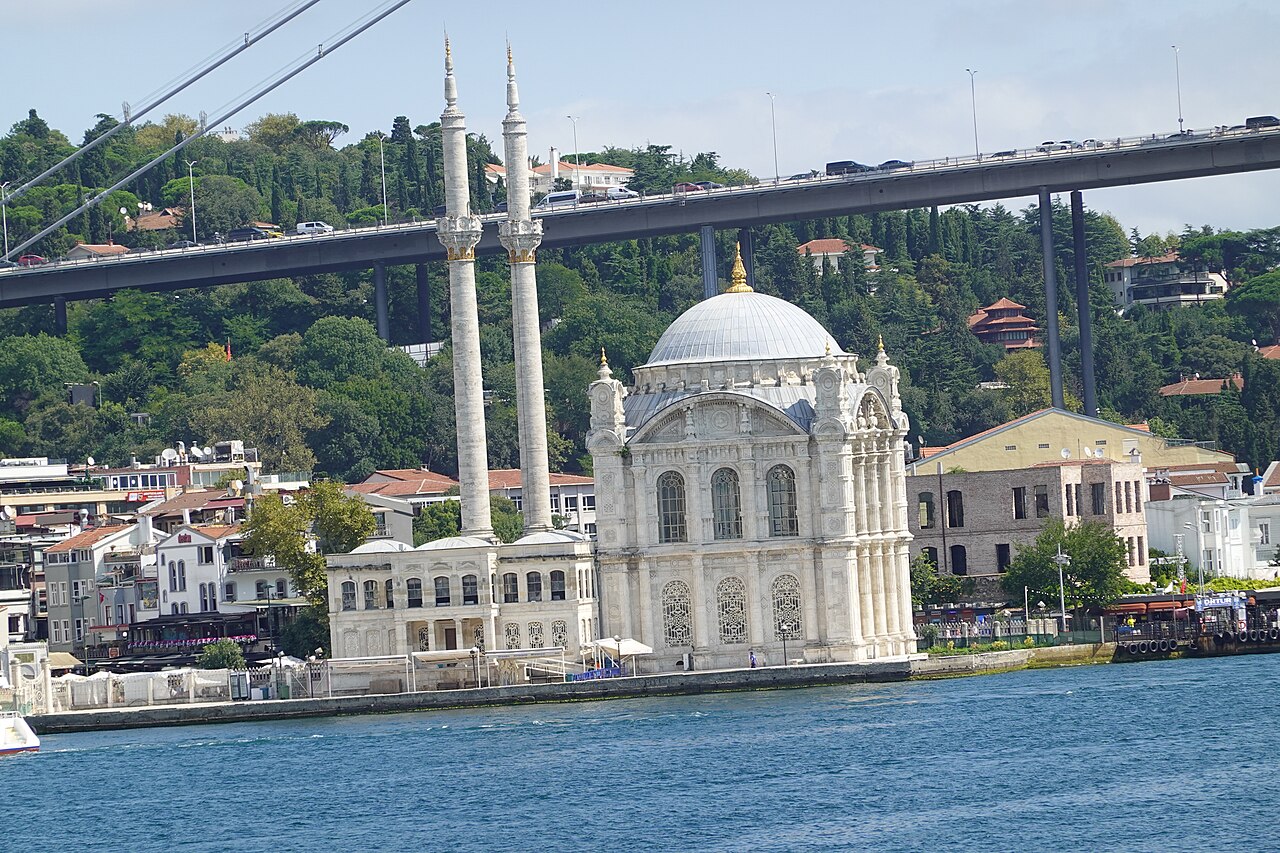
The ferry: a moving portrait of Istanbul
On land, Istanbul’s hills and buildings hide one neighbourhood behind another. From a ferry, the domes, waterfront houses and busy shores begin to make sense together. Take a seat outside if the weather allows; move into the cabin when the wind gets uncomfortable. The journey itself is a reason to go.
A regular passenger ferry and a sightseeing cruise serve different purposes. A short crossing fits easily into a day around Karaköy. The Şehir Hatları Long Bosphorus Tour needs much more time: its route includes Rumeli Kavağı before reaching Anadolu Kavağı on the opposite shore. Balıkçı Kahraman is in Rumeli Kavağı, so check the actual stops as well as the departure pier and return sailing. Summer timetables should not be assumed to apply in autumn. [2]
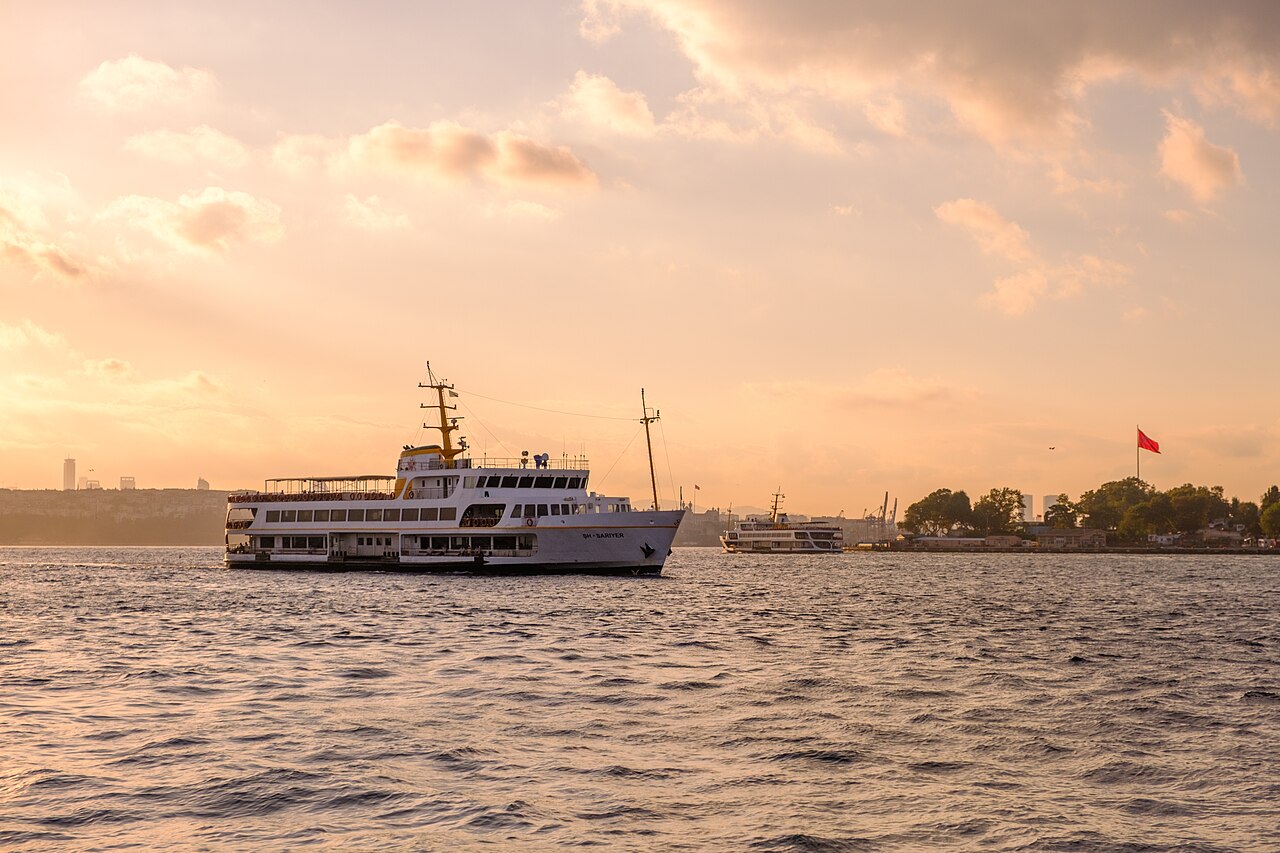
A ferry on the Bosphorus: a short autumn film
Autumn and Istanbul’s fish season
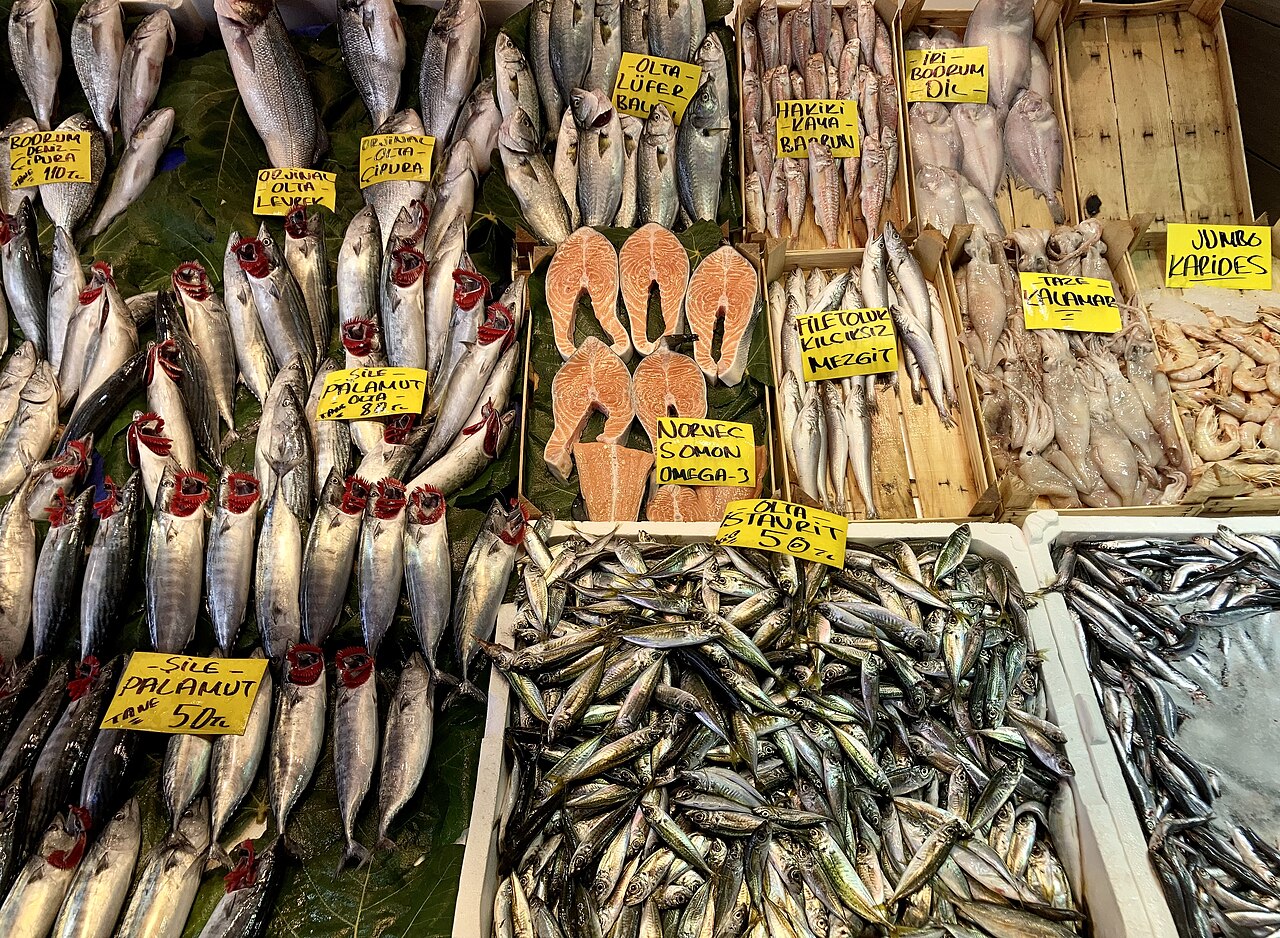
Leaves are not the only sign of autumn in Istanbul: fish stalls and waterfront tables acquire a different rhythm. The return of larger boats to the general fishing season is one of September’s markers. For example, the 2026–2027 general season opened on 1 September. This is not a single timetable covering every species or fishing method; consult official announcements for the year of your visit. [28]
Bonito, or palamut, and bluefish, or lüfer, are closely associated with the Bosphorus in autumn. Migration is part of that story, but abundance varies between seasons. As autumn turns colder, ask about hamsi, anchovies: GoTürkiye highlights November to February for them. Treat these as starting points for a conversation about the day’s fish, rather than guaranteed menu items. [29] [30]
Start by asking what is available and where it came from. Clarify the species, whether it is wild-caught or farmed, fresh or defrosted, and whether pricing is by portion or weight. A restaurant’s reputation for turbot does not automatically make turbot an autumn seasonal recommendation. Choosing with the season and responsible sourcing in mind also means thinking about the future of these tables.
Four restaurants, four strands of Istanbul’s food culture
These four restaurants offer different kinds of outing. Two reward a journey north along the Bosphorus, one fits a day on foot around Karaköy, and one takes you west for grilled meat. The visitor notes below draw on a limited set of accessible reviews, including older accounts. They are not reports of our own visits or a representative customer survey.
Balıkçı Kahraman — Rumeli Kavağı
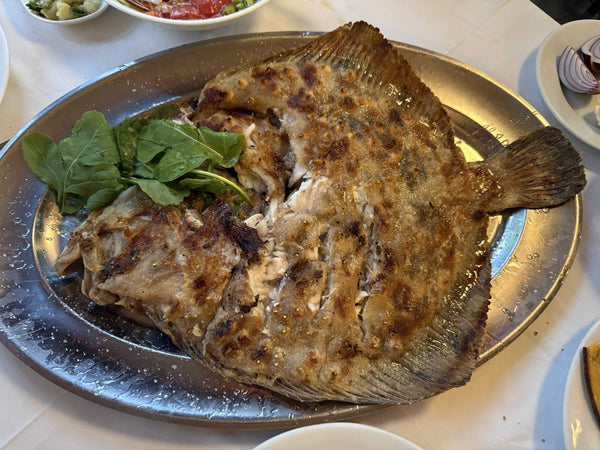
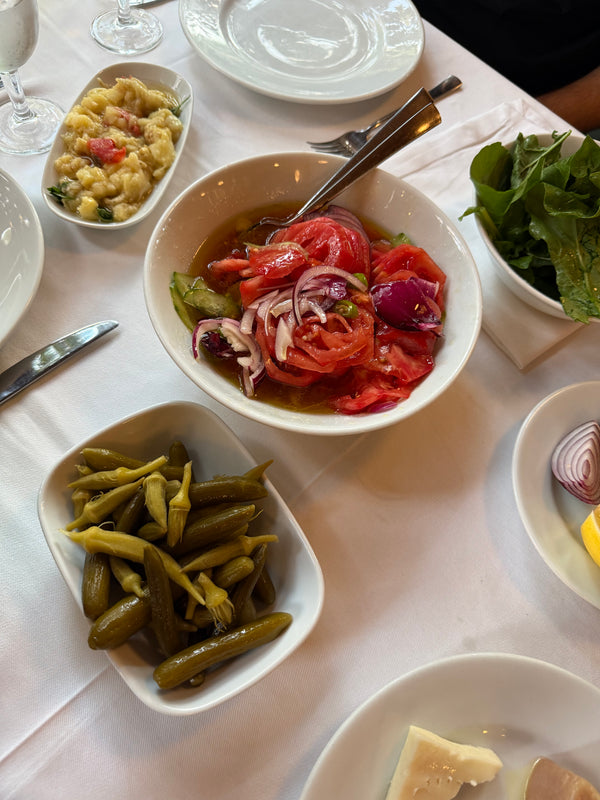
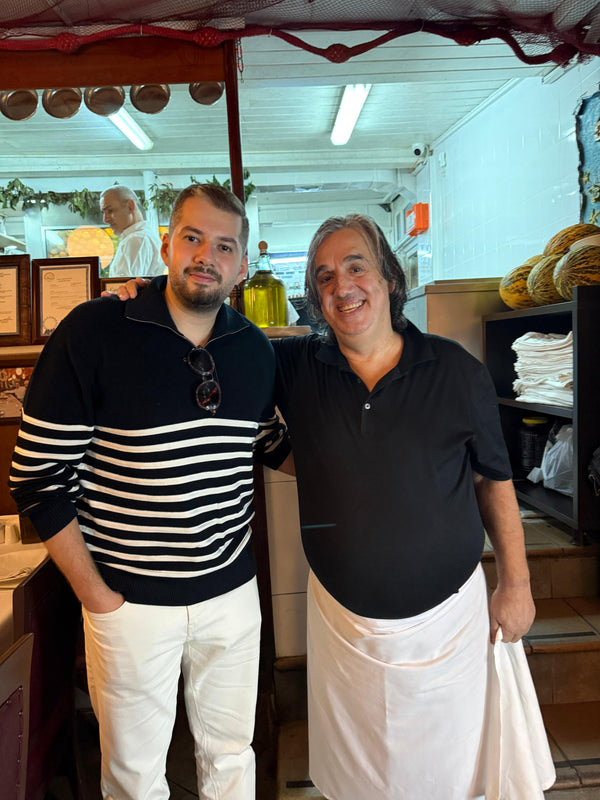
Make this a deliberate trip for fish. Founded by Kahraman Altun in 1996, the restaurant is particularly known for turbot. Michelin also highlights its fish kokoreç; lakerda, a cured fish preparation, and tomato salad are other familiar names associated with the kitchen. Ask what is available that day. A signature dish is not necessarily the seasonal choice for every autumn visit. [3] [4]
What guests mention: Turbot and careful fish cooking attract praise. High bills and the absence of a sea view are recurring reservations in the accessible comments. Come for the cooking and leave time to explore Rumeli Kavağı, rather than expecting the dining room to provide the whole Bosphorus experience. [5]
Karaköy Lokantası — Karaköy
This family-run restaurant has served Karaköy since 2000. Lunch follows the Turkish neighbourhood-lokanta tradition of cooked dishes; dinner is built more around meze and a leisurely meal. Tarama, a fish-roe spread, and börek, savoury pastry, give first-time visitors a starting point. Look at the appropriate menu before booking: lunch and dinner are different propositions. [6] [7]
What guests mention: Food and attentive service receive praise, while some diners find the room noisy when it fills up. If conversation matters as much as the meal, ask for a quieter table or time. Its location makes it a particularly easy dinner choice after Galata and a ferry crossing. [8]
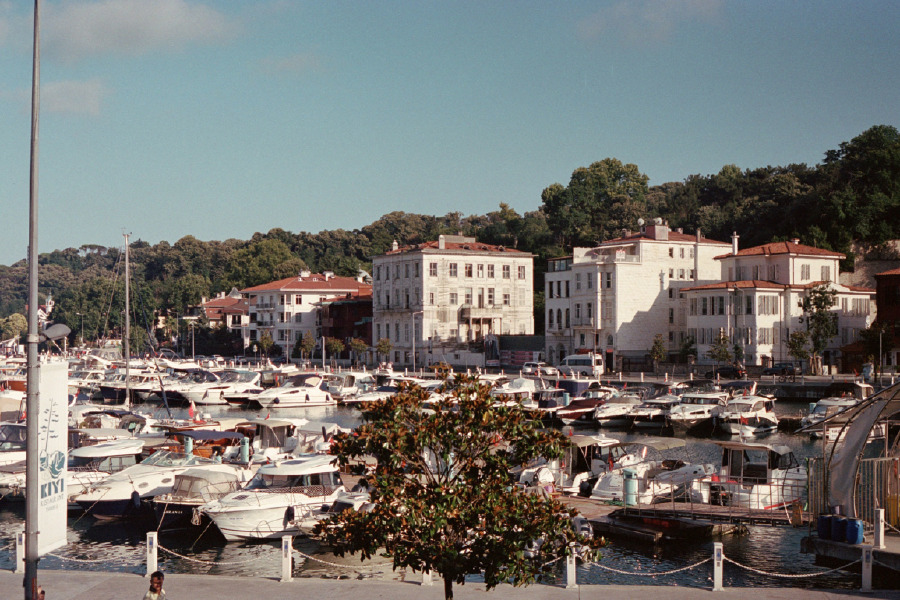
Kıyı Restaurant — Tarabya
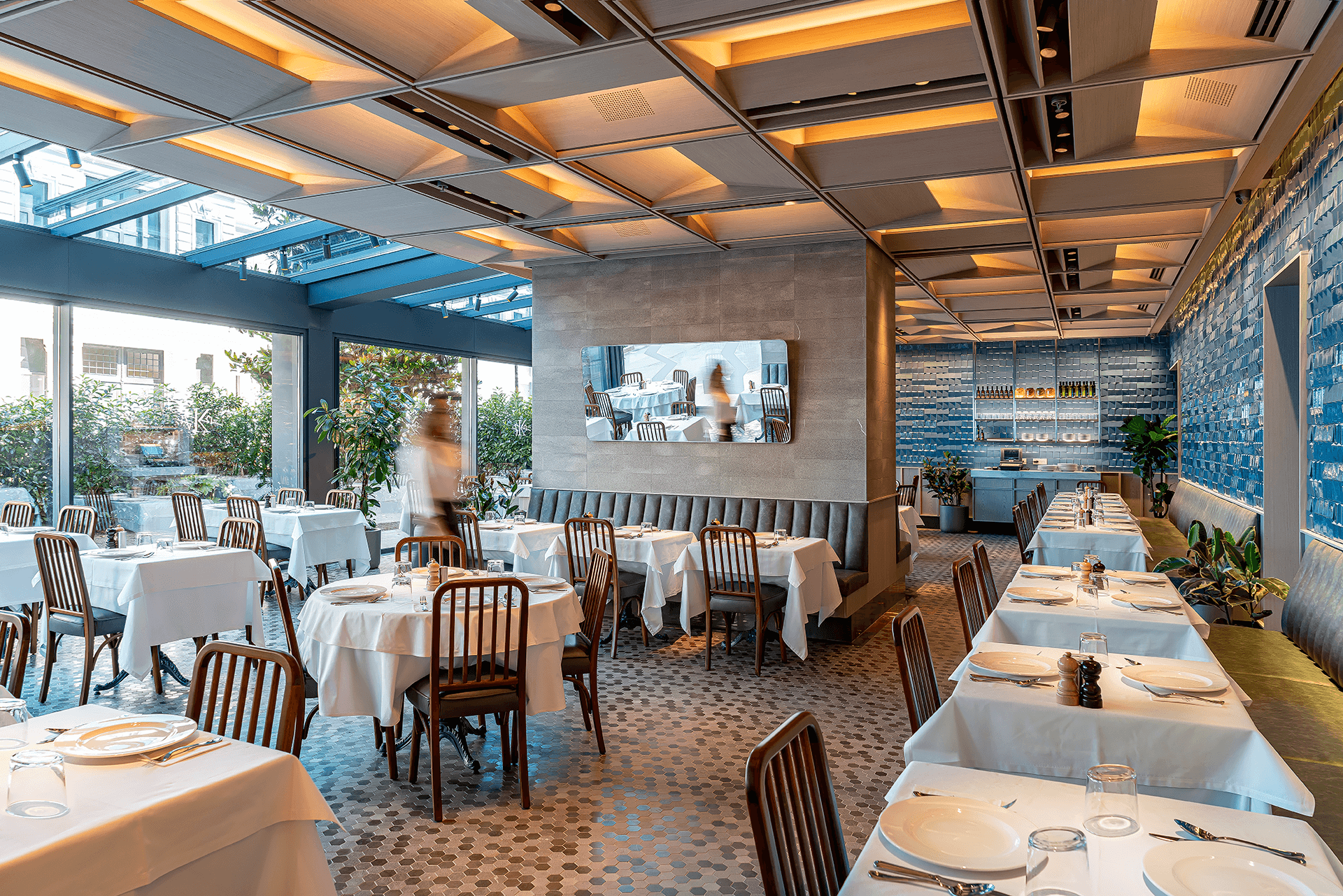
Kıyı’s history reaches back to the 1960s. It belongs to the older Bosphorus seafood tradition: start with tarama, lakerda and other meze, then choose fish with the staff. Michelin singles out straightforward cooking and sole filleted at the table. Tarabya is an outing in its own right, not a quick detour from Sultanahmet. [9] [10] [12]
What guests mention: Fish, meze and service are praised; price and distance from the centre draw criticism. Views vary by table. Confirm the table when reserving and the fish’s weight and price before ordering. [11]
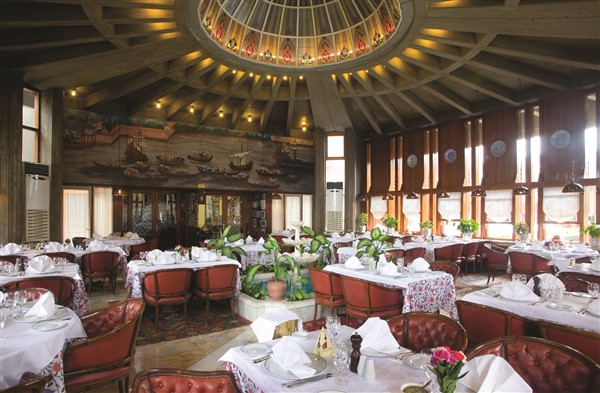
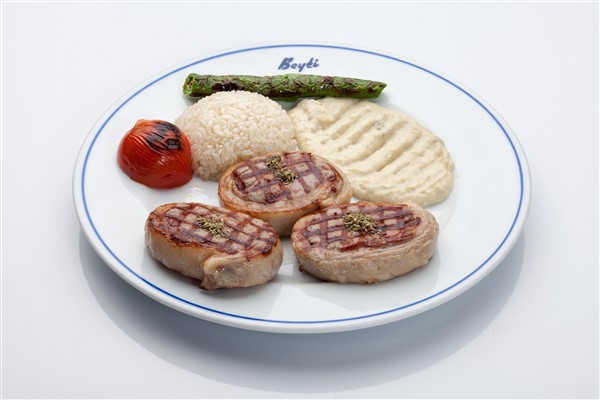
Beyti — Florya
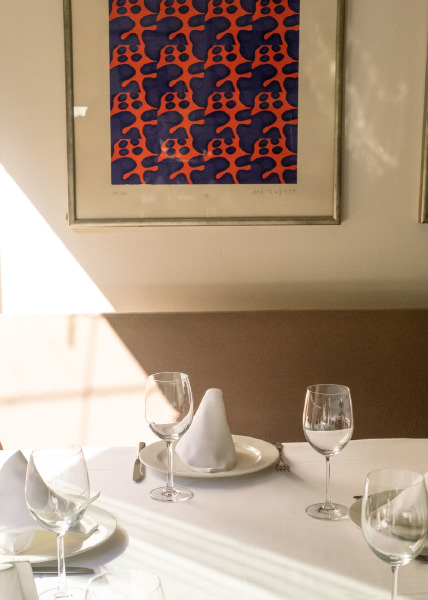
For a meat-focused evening, head west. Beyti began in Küçükçekmece in 1945 and is now associated with Florya. Charcoal cooking and the meat specialities bearing the Beyti name are central to its reputation. Set aside travel time rather than treating it as an extension of a walking tour of the old city. [13]
What guests mention: Praise for the cooking and careful service sits alongside complaints about value and service attitude. Expect a more formal meal than at a casual grill house. Confirm current prices and book directly. [14] [15]
Four churches, several traditions
These are active places of worship as well as historic buildings. Check visiting arrangements, keep quiet during services and ask before taking photographs. The route brings together Catholic, Greek Orthodox and Bulgarian Orthodox histories; they are distinct communities, not interchangeable labels.
St Anthony of Padua — İstiklal Avenue
Step off the busy shopping street and into the courtyard of this Catholic basilica. The present red-brick church was built in 1906–1912 in a Venetian neo-Gothic style. It offers a useful pause during the Beyoğlu walk, and a reminder that the avenue has long been more than a shopping destination. [16]
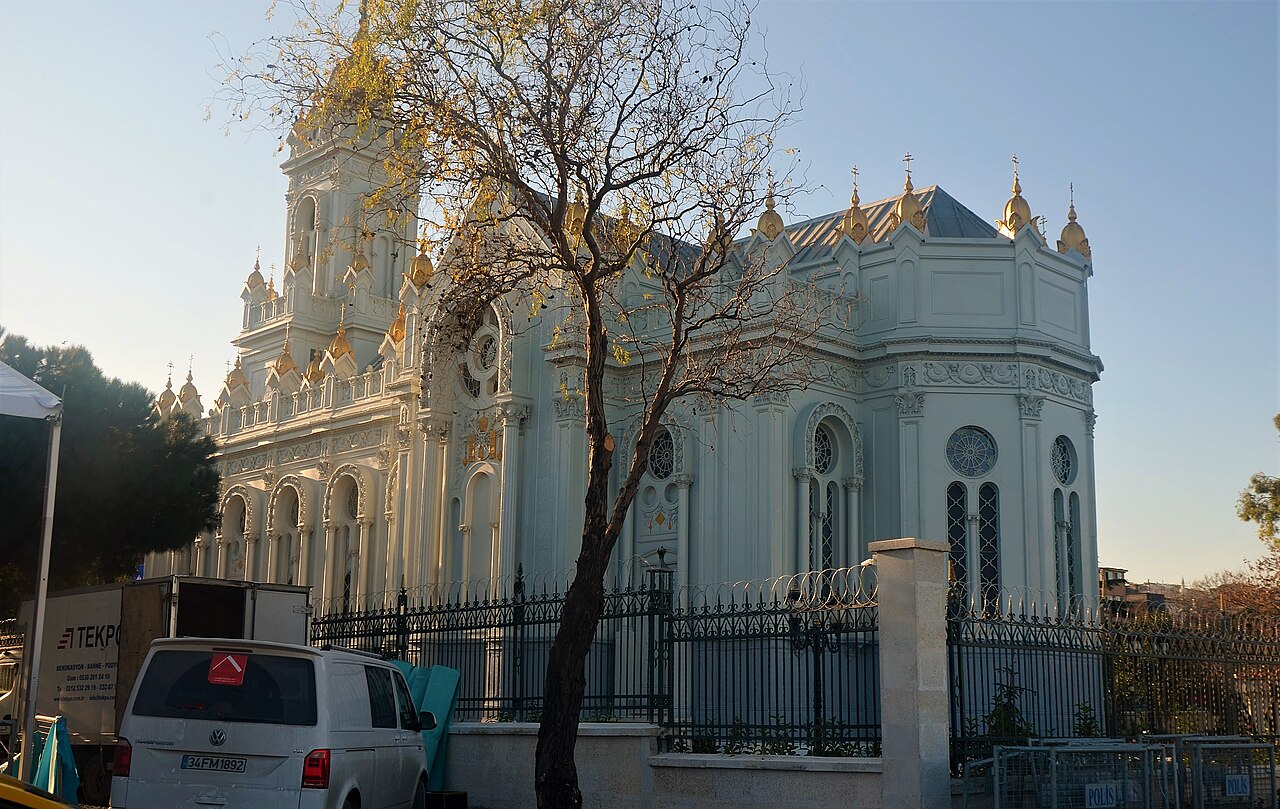
Sveti Stefan — the Iron Church
On the Golden Horn, the Bulgarian Orthodox church of Sveti Stefan dates to 1898. Its iron sections were manufactured in Vienna and assembled in Istanbul. Look closely at the exterior on your Fener–Balat day: the construction is part of what makes this stop distinctive. [17]
Hagia Triada — Taksim
The dome and twin bell towers belong to a Greek Orthodox church opened for worship in 1880. Visit it near the beginning of the Beyoğlu route, before walking along İstiklal towards St Anthony. The two churches make the area’s different Christian traditions visible within one walk. [18]
St George / Aya Yorgi — Fener
The Patriarchal Church of St George has been associated with the patriarchal headquarters here since around 1600. Fires and rebuilding shaped the church that stands today. Inside, icons and the three-aisled basilica layout reveal the significance behind its relatively modest exterior. This is the Fener church, not the Aya Yorgi pilgrimage church on Büyükada. [19]
Six historic places for a first visit
Hagia Sophia
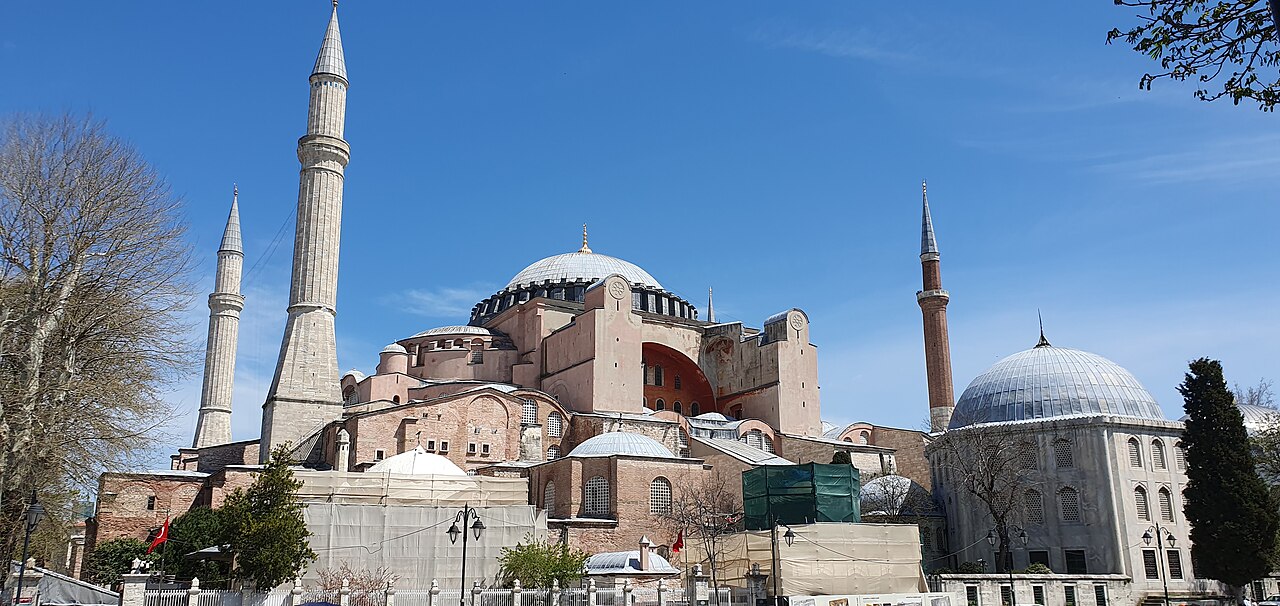
The present building was constructed under Emperor Justinian I in 532–537. Its Eastern Roman church, Ottoman mosque and museum periods remain part of its story; today it is a mosque. Distinguish worship arrangements from tourist access and check which areas are open. Give the space time to register, rather than treating the dome as a quick photograph. [20] [21]
Topkapı Palace
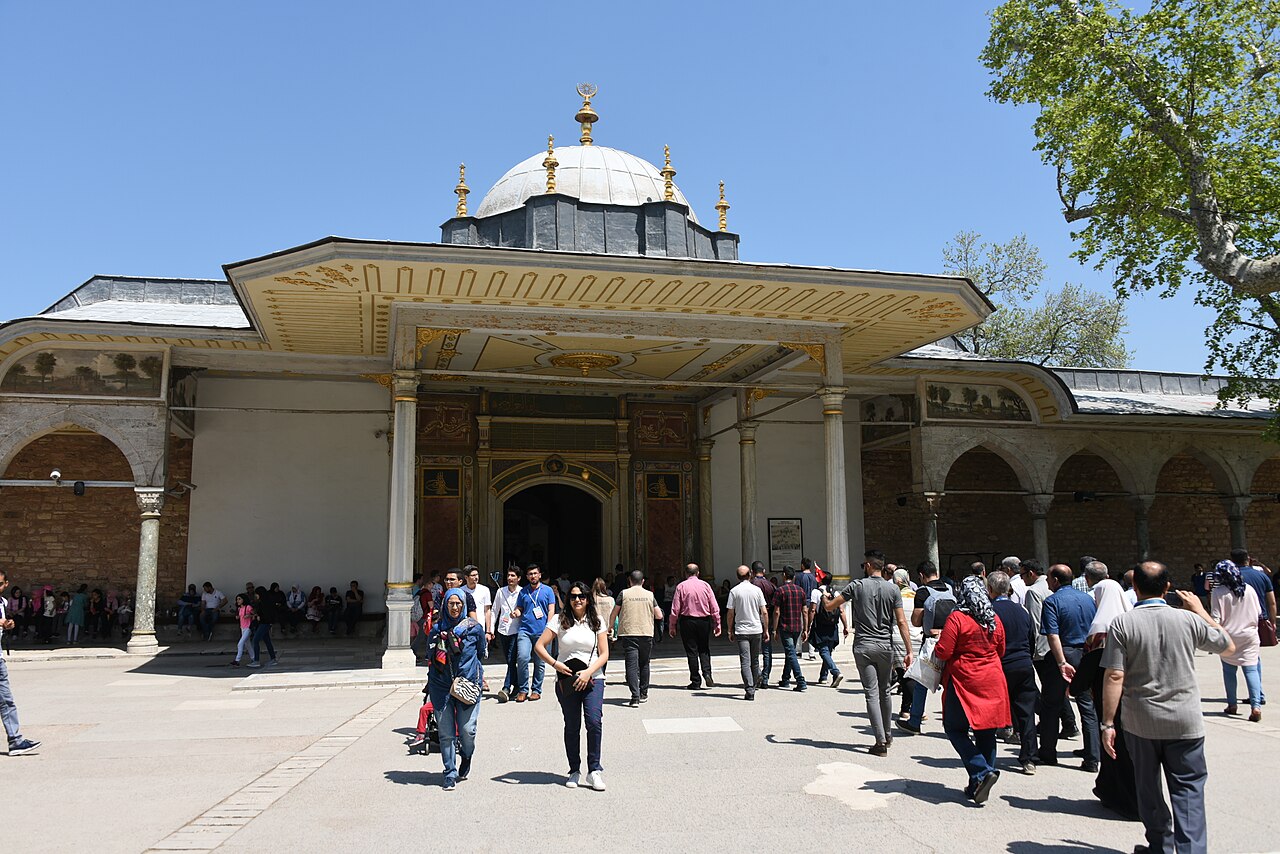
For centuries, Topkapı was an Ottoman dynastic residence and seat of government. Think in courtyards and collections, rather than a single grand room. Choose your priorities and check which sections your ticket covers. A substantial palace visit leaves less time for the rest of Sultanahmet. [22]
Basilica Cistern
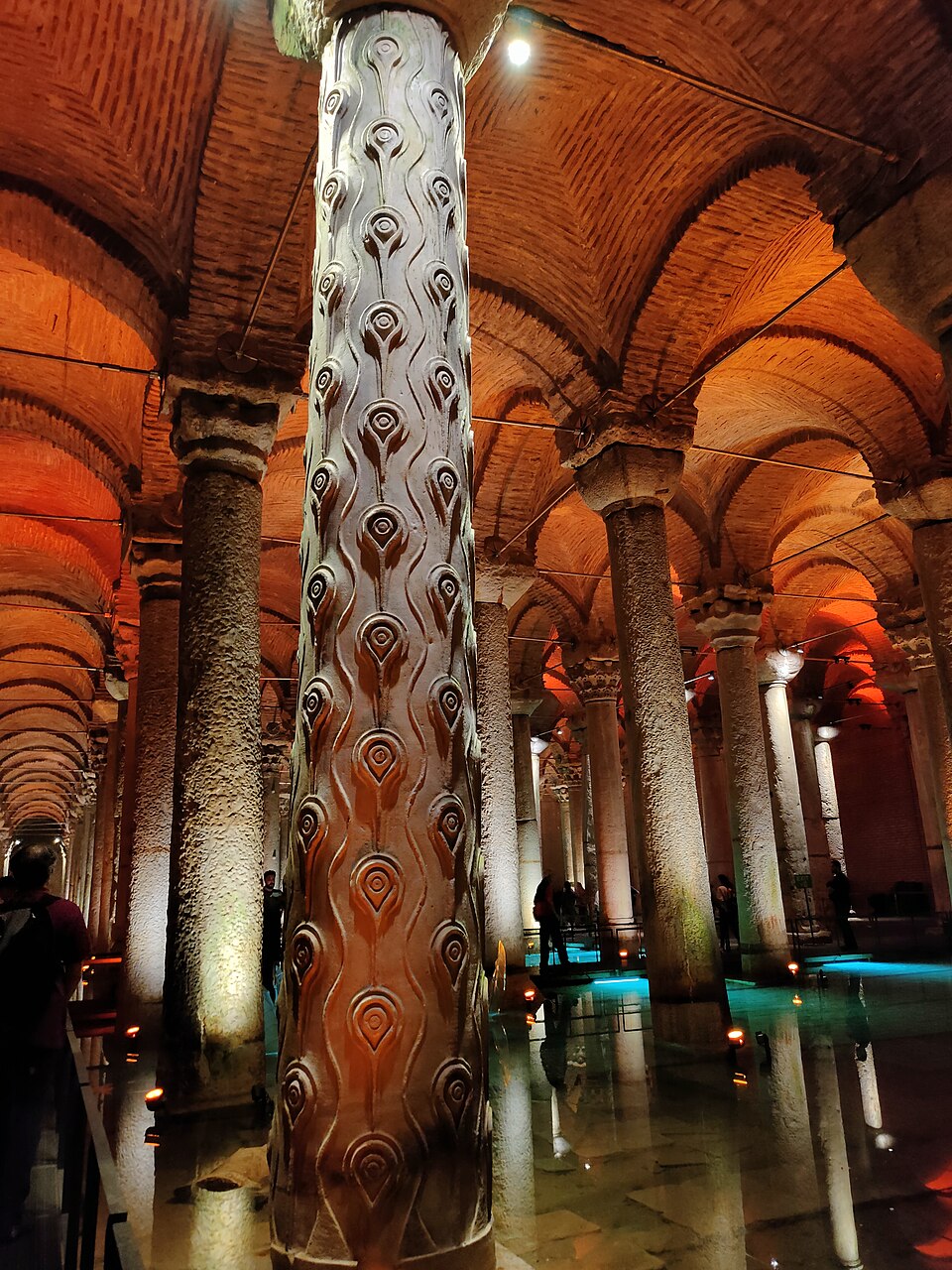
Built under Justinian in the sixth century, the cistern makes the imperial capital’s water infrastructure tangible. Reflections among the columns and the Medusa heads are visual highlights. It is an indoor option for a rainy day; take care with the floor and steps in low light. [23] [24]
Galata Tower
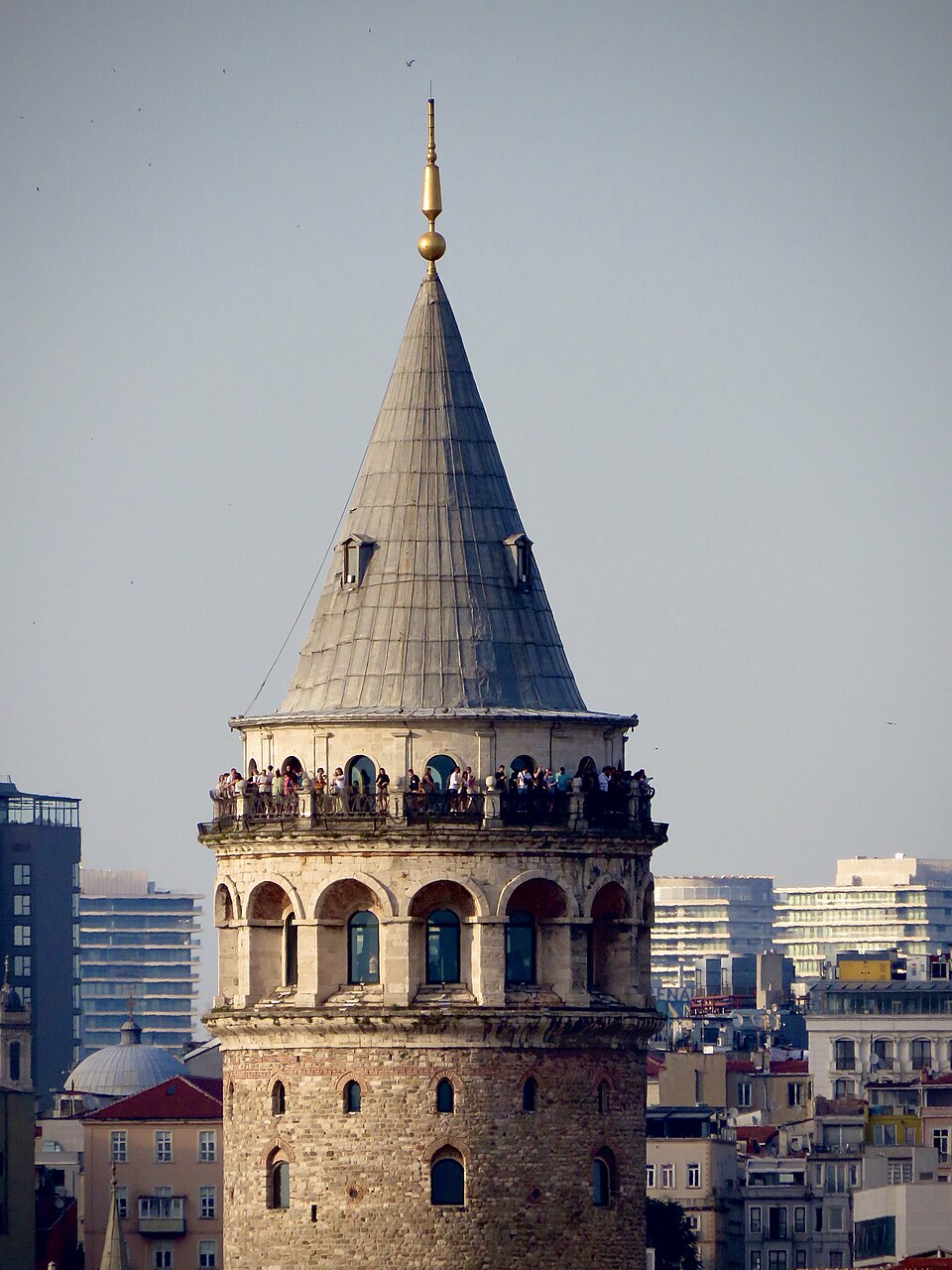
The present tower was built by the Genoese in 1348. Its setting introduces the trading history north of the Golden Horn, while the view helps connect neighbourhoods in your mind. Allow for the hills. If queues are long, exploring the surrounding streets and walking down to Karaköy can be rewarding in itself. [25]
Dolmabahçe Palace
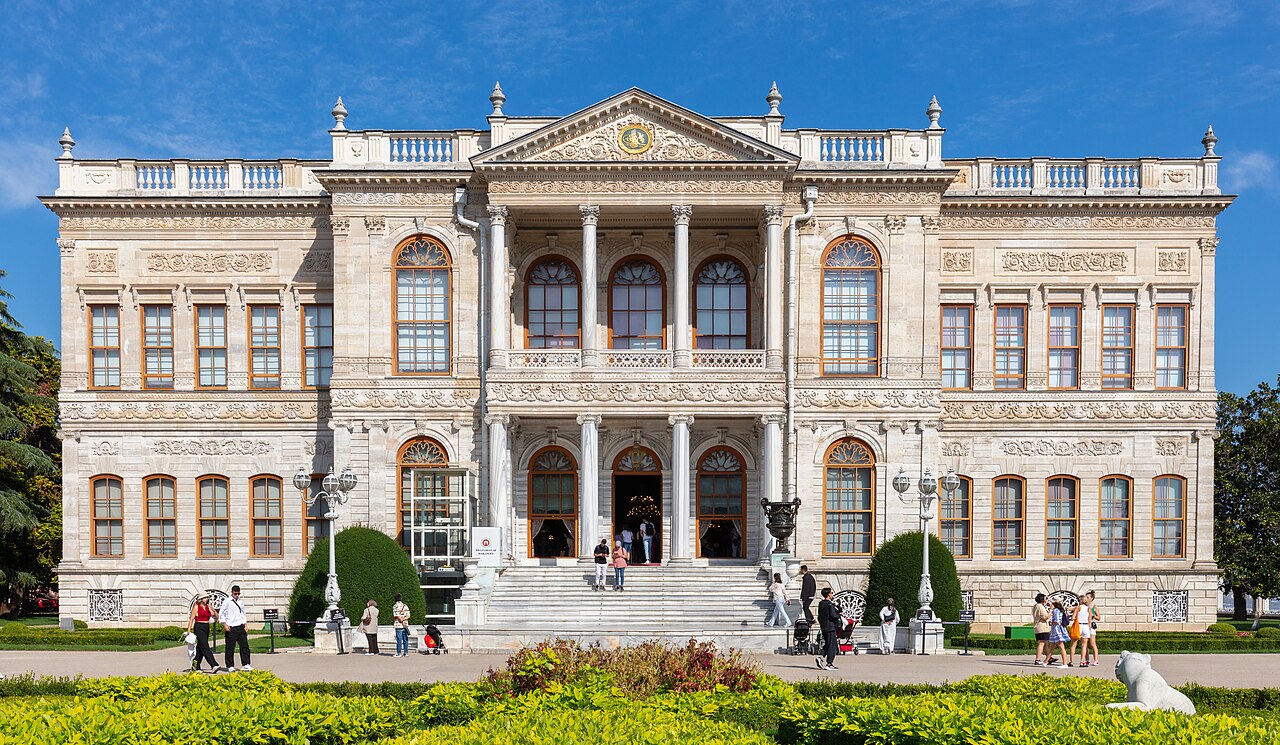
Built in 1843–1856 beside the Bosphorus, Dolmabahçe expresses the changing court life and ceremonial ambitions of the late Ottoman period. Comparing it with Topkapı reveals two different settings for government. For a detailed interior visit, replace another major stop on your Beyoğlu day rather than adding another palace to an already full schedule. [22]
Grand Bazaar
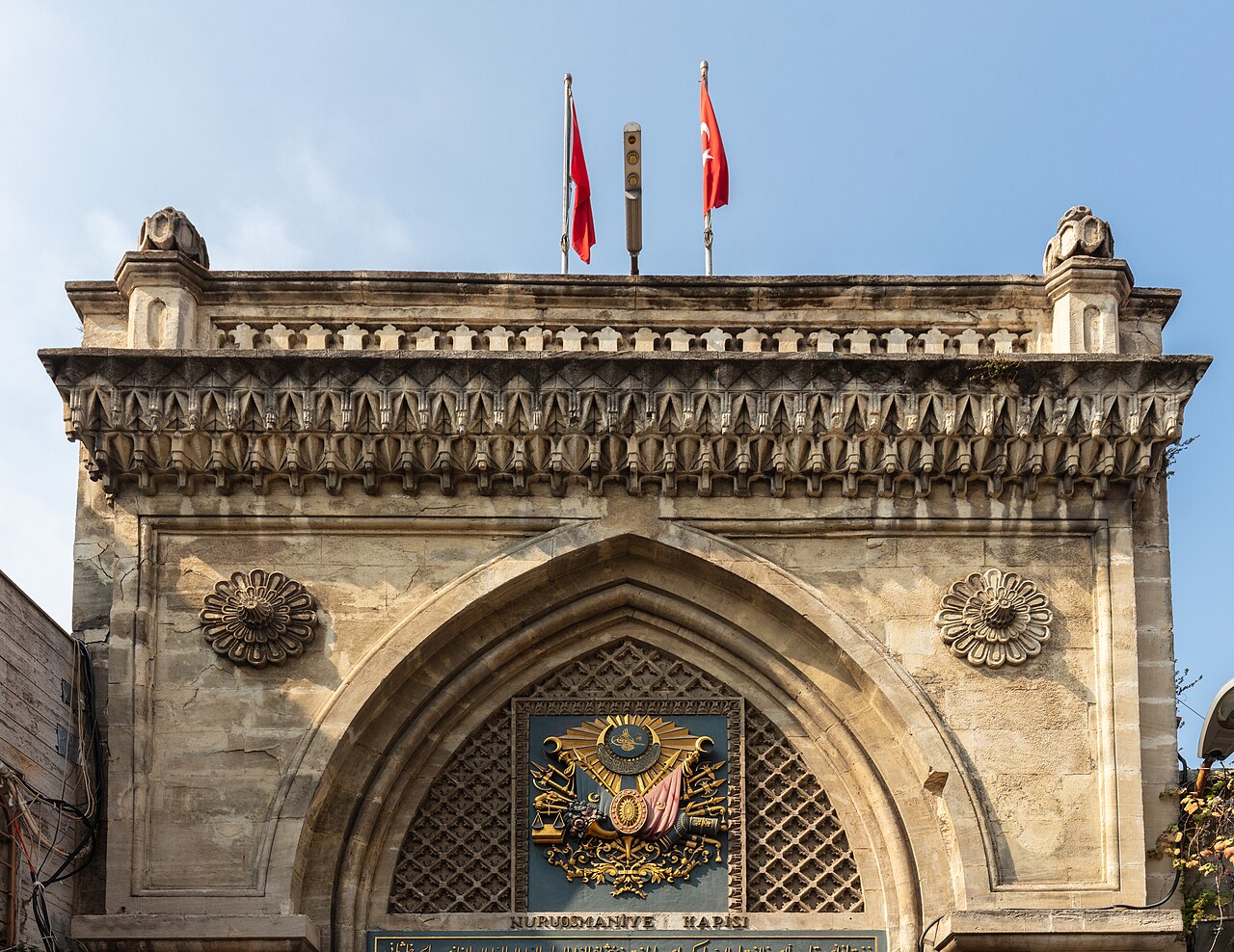
With foundations dating to the fifteenth century, the Grand Bazaar remains a working network of commercial streets. Notice signs and the entrance you use as you browse textiles, jewellery and craftwork. Ask clearly about materials, prices and delivery terms. You can also enjoy its architecture and daily rhythm without buying anything. [26]
Three days across the city’s different worlds
The Historical Peninsula, Beyoğlu and the Golden Horn offer three distinct views of Istanbul. Across three days, ferries and neighbourhood life can connect the major monuments with the city that surrounds them.
Day 1 — Sultanahmet and the old city
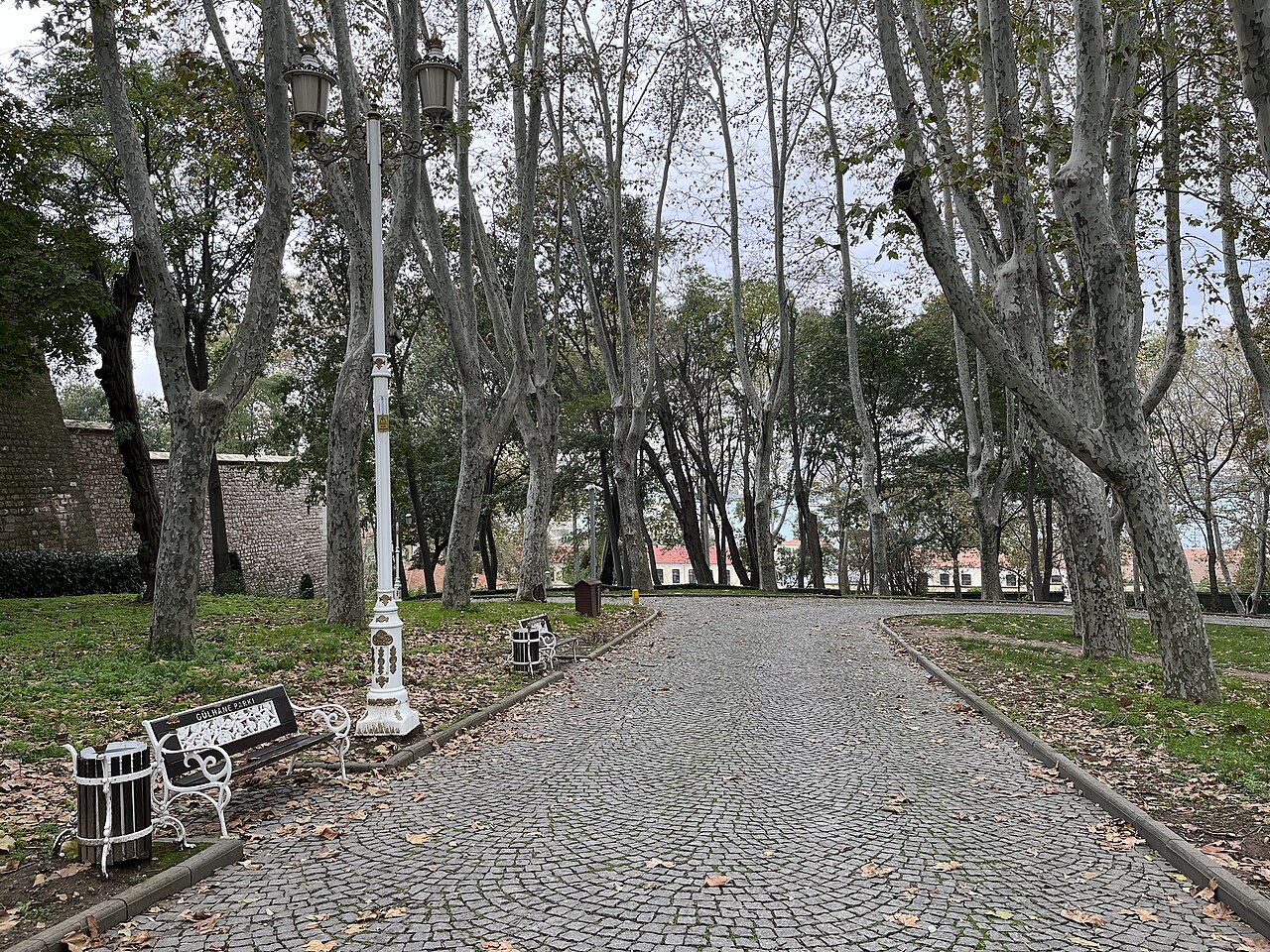
Sultanahmet brings several periods of Istanbul into close contact. Hagia Sophia, Topkapı and the Basilica Cistern tell different stories of religion, government and urban infrastructure. The Grand Bazaar adds a history still lived through trade, while the Gülhane–Sirkeci–Eminönü axis leads back to the working waterfront.
Day 2 — Beyoğlu down to the water
From Hagia Triada near Taksim to St Anthony on İstiklal, Beyoğlu reveals the presence of different communities. The descent through Galata to Karaköy ends among ferry piers, where the city becomes a view from the water. Karaköy Lokantası connects this part of the day with the dinner table. Dolmabahçe offers another substantial focus along the shore.
Day 3 — Fener–Balat, then one direction
St George, Sveti Stefan and the streets of Balat bring the Golden Horn’s layered history into view. Beyond them lie two different outings: north towards Kıyı in Tarabya or Balıkçı Kahraman in Rumeli Kavağı; west towards Yeşilköy and Beyti in Florya. The distances make them alternatives rather than consecutive stops in a single afternoon.
The Long Bosphorus Tour is an alternative full-day commitment. Its morning departure from Eminönü does not fit after a full Fener–Balat morning. If that cruise is your priority, dedicate the day to it and move the neighbourhood walk elsewhere. Check the return sailing before committing to a restaurant booking. [2]
The changing calendar of an autumn visit
The last ferry, a restaurant reservation and a museum’s closed day can each change the plan. The National Palaces ticket page lists Tuesday closure for Topkapı and Monday closure for Dolmabahçe; check exceptions for your actual travel dates. On wet days, shorten the waterfront walk and bring a cistern or museum visit forward. [2] [27]
When travelling from Iceland, check flight times and the arrival airport on your ticket. Flight availability and airport transfer times vary. Keep the airport-to-hotel journey separate from your first day’s museum commitments.
A reason to come back
You can see Istanbul in three days. Getting to know it may take years.
Byzantine, or Eastern Roman, history is present alongside Ottoman and modern life. Muslim, Greek Orthodox, Armenian Christian, Jewish, Bulgarian Orthodox and Latin Catholic communities, as well as successive arrivals from elsewhere, have helped shape the city. That history includes loss and displacement as well as coexistence. Its residents are people living their own lives, not characters in a visitor’s historical backdrop.
The city is remembered through lived moments as much as monuments: a ferry crossing, an evening meal, a street that becomes familiar. Three days may introduce Istanbul; the wish to return often begins with those ordinary encounters.
Practise Icelandic with this story
Read a short text about Istanbul in autumn, listen to vocabulary at normal or slower speed, and check your answers.
Icelandic practice: an autumn trip to Istanbul
A2–B1 · Reading, listening and travel language
Read and listen to the short text, then practise words and sentences useful when travelling. Choose normal or slow playback.
Easy reading
Við erum í Istanbúl að hausti. Á morgnana göngum við um borgina. Síðan tökum við ferju yfir sundið. Frá ferjunni sjáum við hús og hæðir. Það getur rignt og því tökum við regnjakka með. Á kvöldin borðum við fisk á veitingastað. Við bókum borð fyrir tvo. Næsta dag heimsækjum við kirkju og safn. Við reynum ekki að sjá allt á einum degi.
Synthetic Icelandic voice: ElevenLabs. The audio is generated using text-to-speech.
English and Turkish support
We are in Istanbul in autumn. In the mornings we walk around the city, then take a ferry across the strait. We see buildings and hills from the ferry. It may rain, so we bring a rain jacket. In the evening we eat fish at a restaurant and reserve a table for two. The next day we visit a church and a museum. We do not try to see everything in one day.
Sonbaharda İstanbul’dayız. Sabahları şehri yürüyoruz, ardından vapurla karşıya geçiyoruz. Vapurdan evleri ve tepeleri görüyoruz. Yağmur yağabileceği için yağmurluk alıyoruz. Akşam bir restoranda balık yiyor ve iki kişilik masa ayırtıyoruz. Ertesi gün bir kilise ve müze ziyaret ediyoruz. Her şeyi bir günde görmeye çalışmıyoruz.
Words and examples
haust
autumn · sonbahar
Haustið er góður tími til að ferðast.
ferja
ferry · vapur / feribot
Við tökum ferju yfir sundið.
bryggja
pier · iskele
Ferjan fer frá þessari bryggju.
gönguferð
walk / walking trip · yürüyüş
Við förum í gönguferð um borgina.
veitingastaður
restaurant · restoran
Við borðum á litlum veitingastað.
fiskur
fish · balık
Í kvöld borðum við fisk.
útsýni
view · manzara
Það er fallegt útsýni frá turninum.
bókun
reservation · rezervasyon
Ég á bókun fyrir tvo.
Grammar for travelling
„Við tökum ferju.“Here, “ferju” is in the accusative case. Its nominative form is “ferja”. Compare “Þetta er ferja” (This is a ferry) with “Við tökum ferju” (We take a ferry).
„Á veitingastað“ og „á veitingastaðnum“.“Við borðum á veitingastað” does not specify which restaurant. “Við borðum á veitingastaðnum” refers to a particular restaurant.
„Ég vil …“It is followed by an infinitive without “að”: “Ég vil ganga” (I want to walk), “Ég vil borða fisk” (I want to eat fish) and “Ég vil bóka borð” (I want to reserve a table).
Check your understanding
Answers and explanations
- Með ferju (By ferry). The text says: “Síðan tökum við ferju yfir sundið.”
- Það getur rignt.
- “Bókun” means a reservation made in advance.
- ferju — the accusative form of “ferja”.
- bóka — the infinitive following “vil”.
Write for yourself
This is an open writing exercise. Your text is not submitted or stored and receives no automatic grade.
Sources
Sources checked: 13 September 2026. Business history, official visiting information and customer opinion are treated separately. Reviews are a limited selection of accessible records, not a representative survey or a report of our own visits. Some Tripadvisor material was accessible only through search-indexed excerpts. Check current menus and bookings directly with the restaurants. Route choices are editorial suggestions. Each language edition was edited for its readers.
- MGM · İstanbul, 1950–2025
- Şehir Hatları · Uzun Boğaz Turu
- Balıkçı Kahraman · Resmî site
- MICHELIN Guide · Balıkçı Kahraman
- Tripadvisor · Balıkçı Kahraman
- Karaköy Lokantası · Resmî site
- MICHELIN Guide · Karaköy Lokantası
- Tripadvisor · Karaköy Lokantası
- Kıyı · Resmî site
- MICHELIN Guide · Kıyı
- Tripadvisor · Kıyı Restaurant
- Türkiye Turizm Ansiklopedisi · Kıyı Tarabya Restoran
- Beyti · Hakkımızda
- Tripadvisor · Beyti Restaurant, İstanbul
- Reddit · A good Fine dining Restaurant in Istanbul
- GoTürkiye · Cosmopolitan İstanbul
- Kültür Portalı · Sveti Stefan Kilisesi
- Visit Istanbul · Hagia Triada
- Apostolic Pilgrimage · The Church of St. George
- Ayasofya · Hagia Sophia Mosque (PDF)
- GoTürkiye · Hagia Sophia
- Millî Saraylar · Topkapı Sarayı
- Kültür İstanbul · Yerebatan Sarnıcı geleceğe hazır
- Visit Istanbul · Hidden Gems
- Müze · Galata Kulesi (PDF)
- GoTürkiye · Grand Bazaar
- Millî Saraylar · Bilet
- Bartın İl Tarım ve Orman Müdürlüğü · 2026–2027 av sezonu
- İstanbul Üniversitesi · A Complete Overview of Fisheries in the Sea of Marmara
- GoTürkiye · Popular Fish in Turkish Cuisine