What do the measurements show?
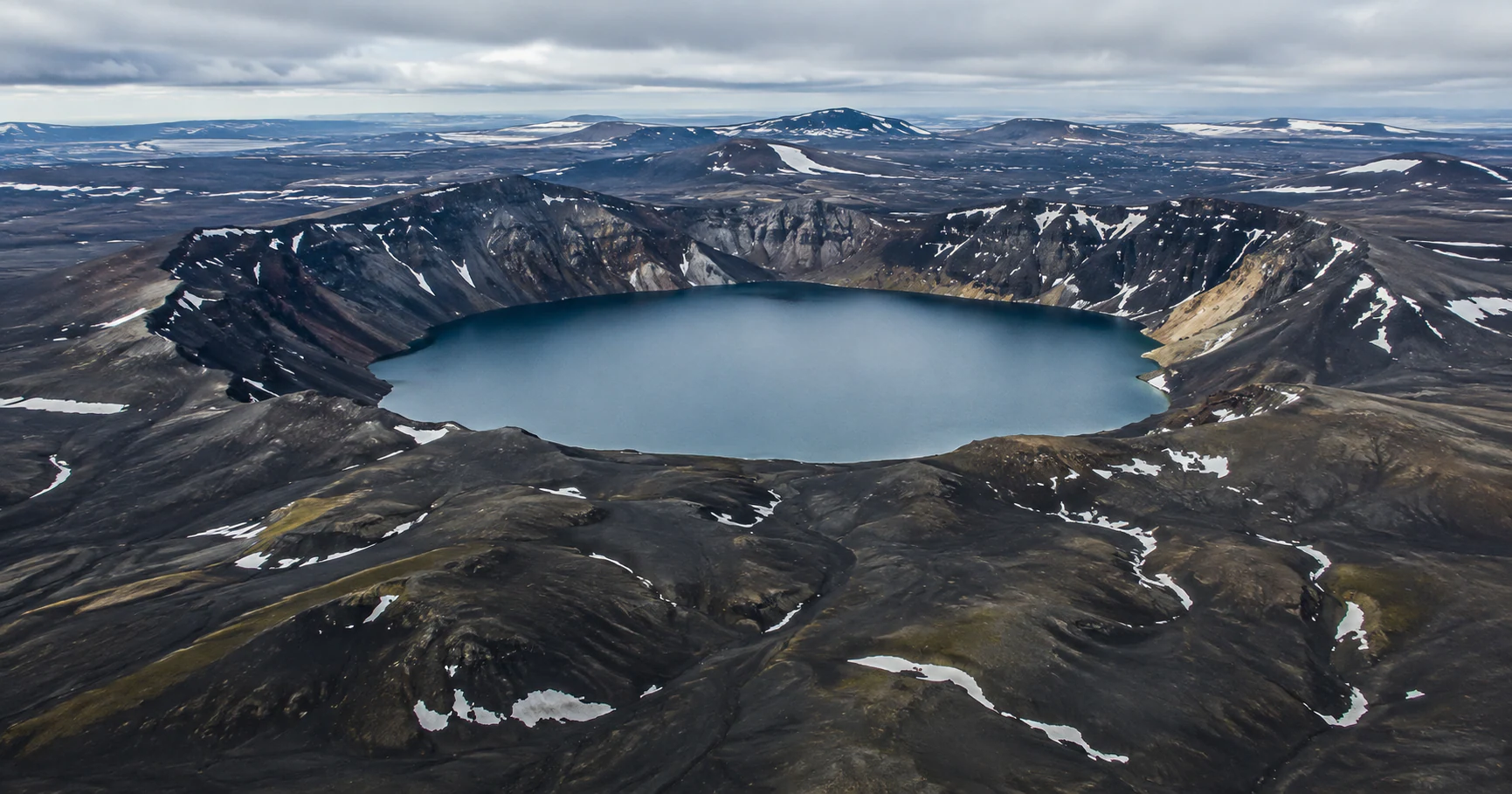
Ground uplift at the Askja volcanic system in Iceland's central highlands has stopped after continuing since 2021, according to measurements cited by the Icelandic Met Office. The latest data also show the first indications that the ground has begun to subside slightly.
- 2021When the uplift began
- ~1 metreTotal deformation at some points by 2025
- 1961Askja's most recent eruption
- OngoingDeformation, seismic and geophysical monitoring
Scientists have monitored the uplift closely for around five years because it can indicate magma movement and changing pressure beneath a volcanic system. By 2025, deformation at some monitoring points had approached a total of one metre.
The end of the uplift and the beginning of subsidence may reflect a change in pressure or magma movement below Askja. However, experts stress that this development does not, by itself, mean that an eruption is approaching or that volcanic unrest has ended.
Monitoring will continue
Askja is a large volcanic system that has experienced extended periods of both uplift and subsidence. Its most recent eruption occurred in 1961. Ground deformation, seismic activity and other geophysical indicators continue to be monitored.
The new measurements represent an important change in the observed trend, not an official declaration that the hazard has disappeared. Further data will be needed to establish whether the subsidence continues.
Not the same system as Svartsengi
Askja lies in Iceland's central highlands. Svartsengi, on the Reykjanes Peninsula, is a separate volcanic system where magma accumulation continues and renewed magma intrusion or another eruption along the Sundhnúksgígar crater row remains a distinct scenario under observation. The change at Askja does not directly alter the situation at Svartsengi.
Practical meaning for visitors
No new evacuation order or general travel ban for Askja has been announced in connection with this update. The area is nevertheless remote, at high elevation and highly exposed to changing weather. Travellers should check road conditions, weather forecasts and official volcanic updates before setting out.
Sources
- Iceland Review – Askja Uplift Stops After Five Years, First Signs of Subsidence
- Icelandic Met Office – current news and volcanic updates
Prepared with information available on 18 August 2026. If the measurements or the official assessment change, this page will be updated.
Related guides
Learn with this story
Icelandic + English + Turkish
Listen to four short Icelandic sentences at normal or slow speed. The audio uses recorded Icelandic voices; numbers are spoken as Icelandic words.
Loading recorded Icelandic audio…
- Landrisið í Öskju er hætt.The uplift at Askja has stopped.Askja'daki yükselme durdu.landrisið · the uplift · yükselmeí Öskju · at Askja · Askja'daer hætt · has stopped · durdu
- Smávægilegt landsig mælist nú.Slight subsidence is now being measured.Şimdi hafif bir çökme ölçülüyor.smávægilegt · slight · hafiflandsig · subsidence · çökmemælist nú · is measured now · şimdi ölçülüyor
- Jarðskjálftavirkni er lítil.Earthquake activity is low.Deprem etkinliği düşük.jarðskjálftavirkni · earthquake activity · deprem etkinliğier lítil · is low · düşük
- Viðvörunarstigið er nú núll.The alert level is now zero.Uyarı seviyesi artık sıfır.viðvörunarstigið · the alert level · uyarı seviyesinúll · zero · sıfır
Quick check
What do the latest measurements show?
Voices: Ugla and Steinn · Talrómur / Icelandic Language Technology Programme · CC BY 4.0