Quarantine and a senior official’s intervention
According to information from Russia relayed by WHO Director-General Tedros, around 200 contacts were quarantined. WHO says the causative agent remains unknown. Contacts in quarantine are not confirmed cases. [2]
Anna Popova, head of public-health watchdog Rospotrebnadzor, travelled to Irkutsk and met the regional governor. Her formal role is not Putin’s chief health adviser. Early statements said the Shelekhov hospital had stopped admissions and discharges. This describes the situation reported on 5 October, not necessarily current hospital operations. [3]
Inside an institute dedicated to fighting plague
The Irkutsk Anti-Plague Research Institute of Siberia and the Far East specialises in dangerous infections and outbreak response. Its official remit includes monitoring natural plague foci, developing diagnostics and assisting health services across 27 administrative territories. Cholera, anthrax, tularemia and brucellosis are among its fields. It also lists biosafety, preparedness against bioterrorism and response to biological-facility accidents. This remit does not establish biological-weapons production. [4]
Layers of protection, unanswered questions
CDC/NIH guidance recommends BSL-3 practices, containment equipment and facilities for manipulating suspected plague cultures. This recommendation does not verify the current certification of the room involved in Irkutsk. [5]
BSL-3 controls include restricted access, appropriate biological safety cabinets, protective clothing, gloves and respiratory protection when required. Staff receive medical surveillance. Air flows from clean areas into the laboratory; exhaust is not recirculated. Entry passes through two sets of self-closing, locking doors, and waste is decontaminated. These measures protect workers and the surrounding community. [6]
The relevant laboratory’s current biosafety designation, equipment condition and inspection findings have not been independently verified here. DW reports that the institute did not answer questions about current biosafety measures. Describing it as the highest-security or leak-proof facility would go beyond the evidence. [7]
Reports that the worker accidentally broke a tube containing live bacteria remain allegations rather than a confirmed accident report. RÚV’s 7 October update says the exact cause of death remains unresolved. Russian officials say samples did not reveal microorganisms associated with her work. Pneumonia alone is not a plague diagnosis. [8]
Does this point to a new pandemic?
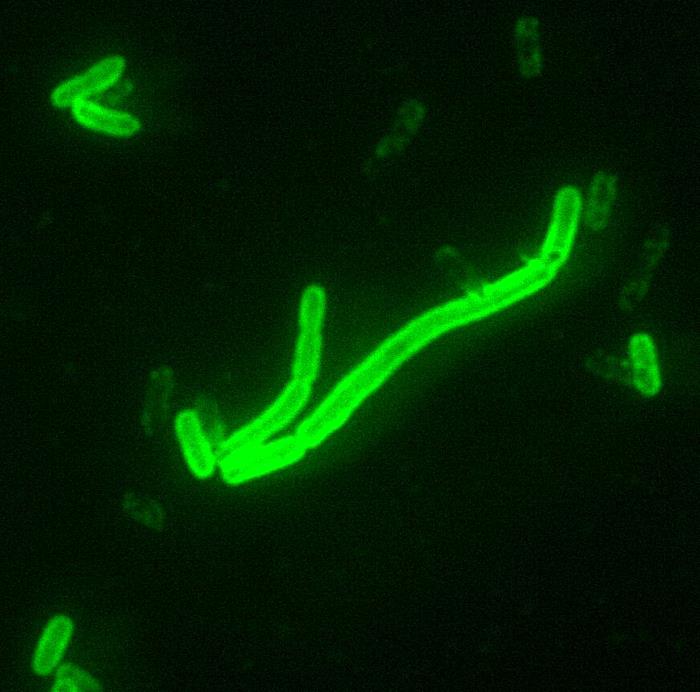
Plague is caused by Yersinia pestis bacteria. Pneumonic plague can spread through respiratory droplets during close contact and can progress rapidly; prompt antibiotic treatment can save lives. [9]
COVID-19 is caused by the SARS-CoV-2 virus. Its treatment and outbreak dynamics differ from bacterial plague. Available evidence does not establish that the Irkutsk event marks the start of a pandemic. [10]
A laboratory accident in Irkutsk remains unconfirmed. Gaps also remain in evidence about COVID-19 origins. Neither should be presented as a proven laboratory-origin event. [11]
WHO’s initial assessment on 6 October described risk as moderate to low in Irkutsk oblast, low across Russia and very low in the European region. This is not an Iceland-specific assessment and may change. The key unresolved questions concern the cause of death, possible occupational exposure and any linked cases. [1]
For information only, not personal medical advice. Source status: 7 October 2026; update as evidence changes.